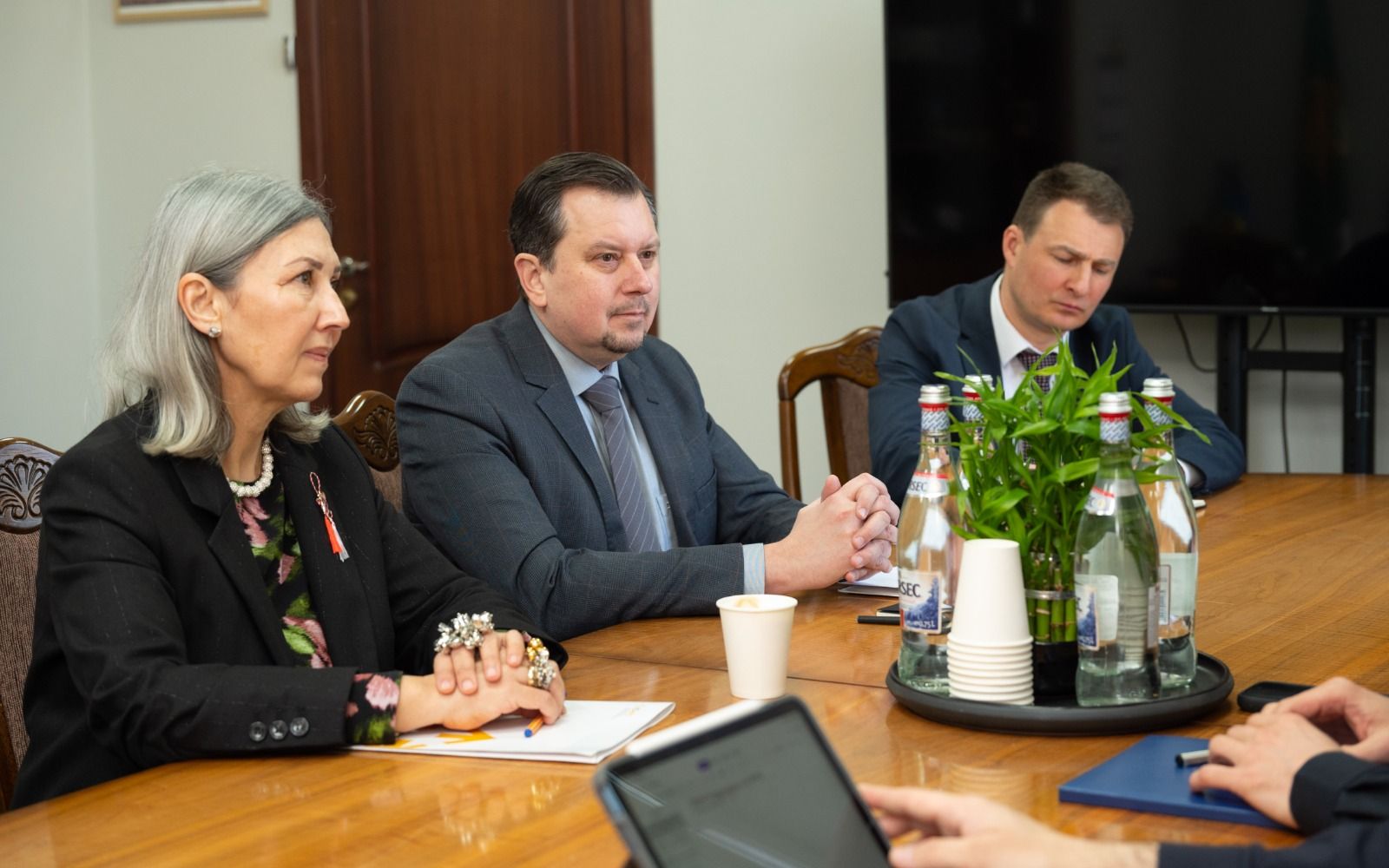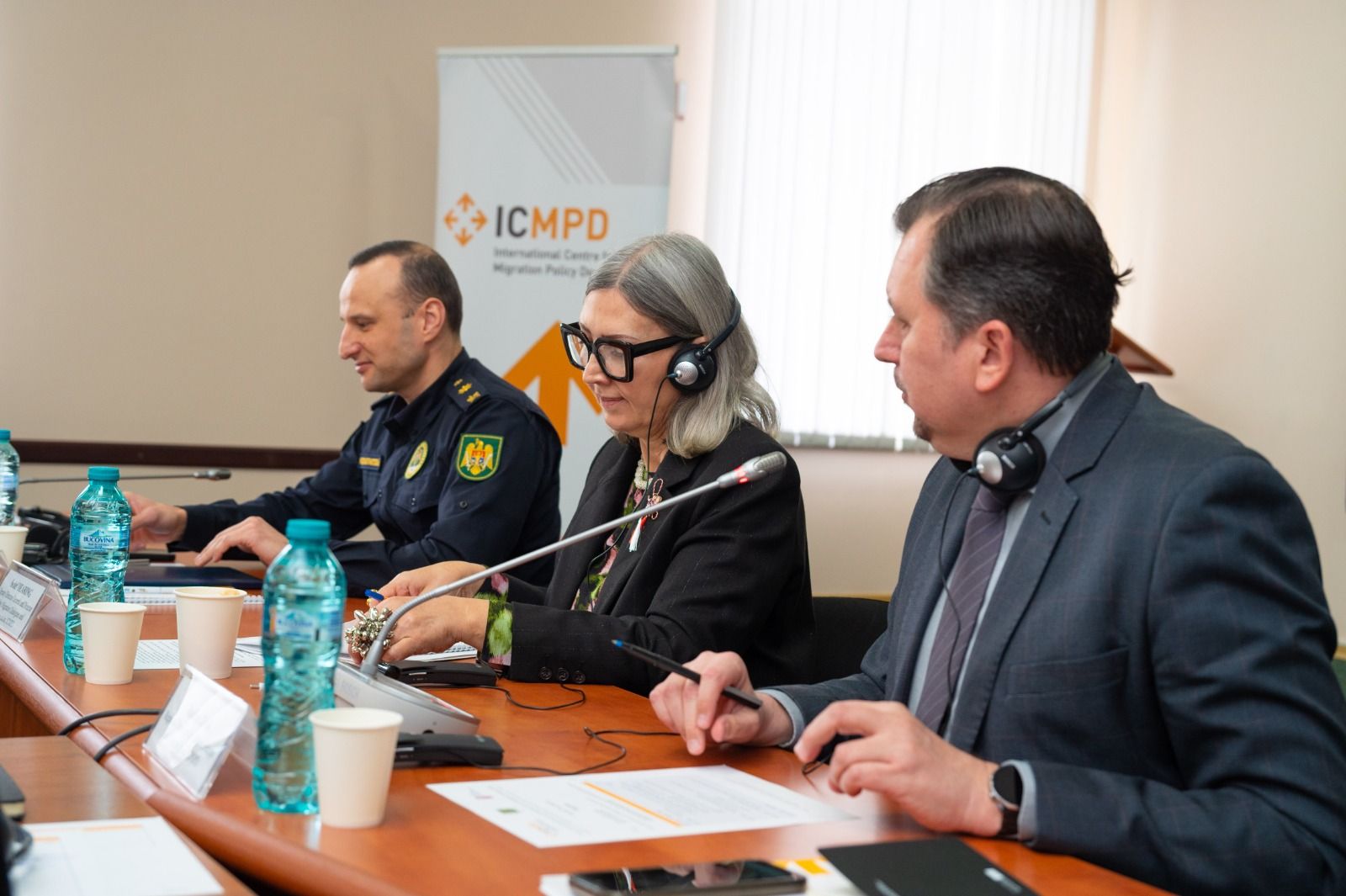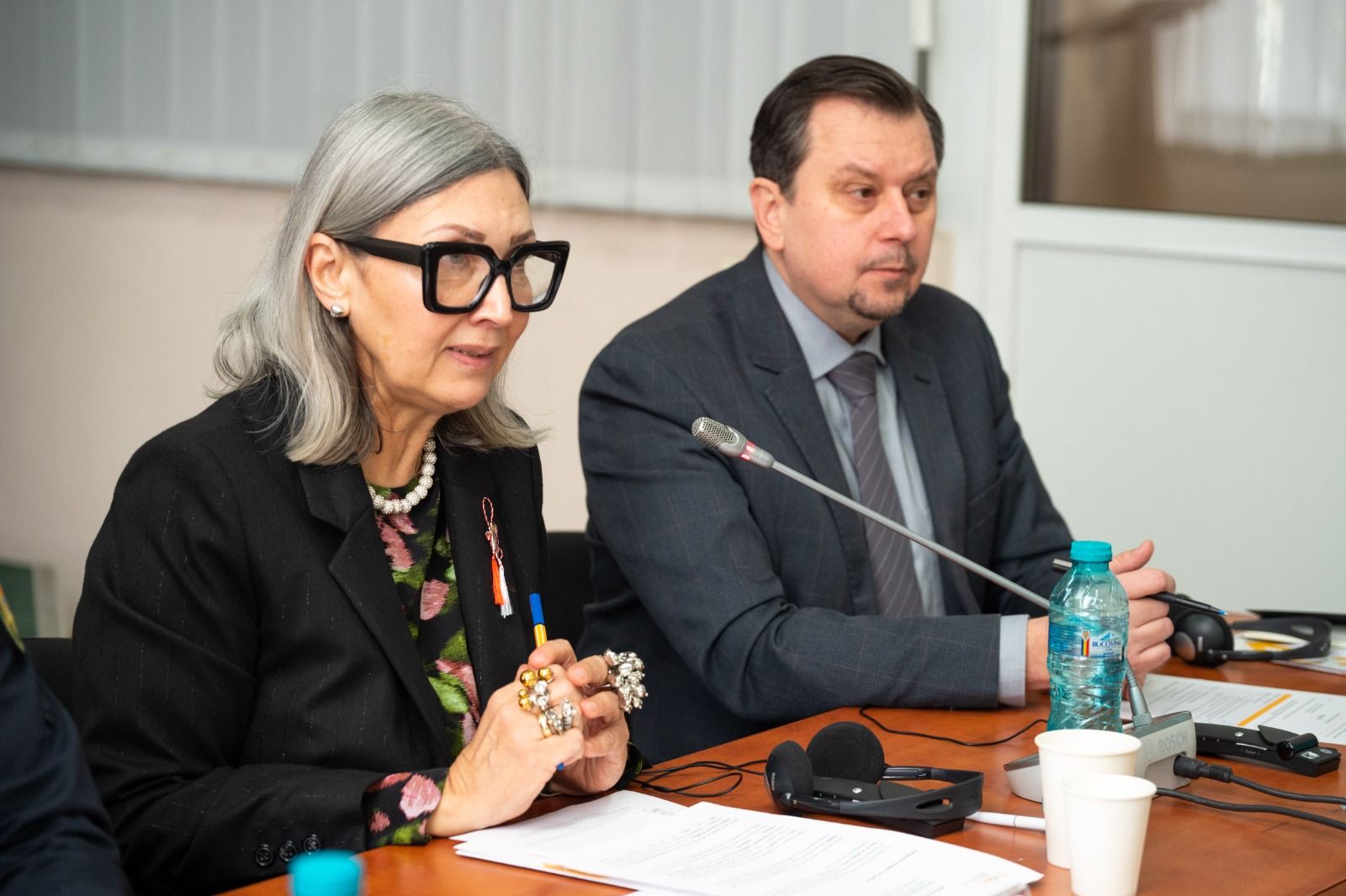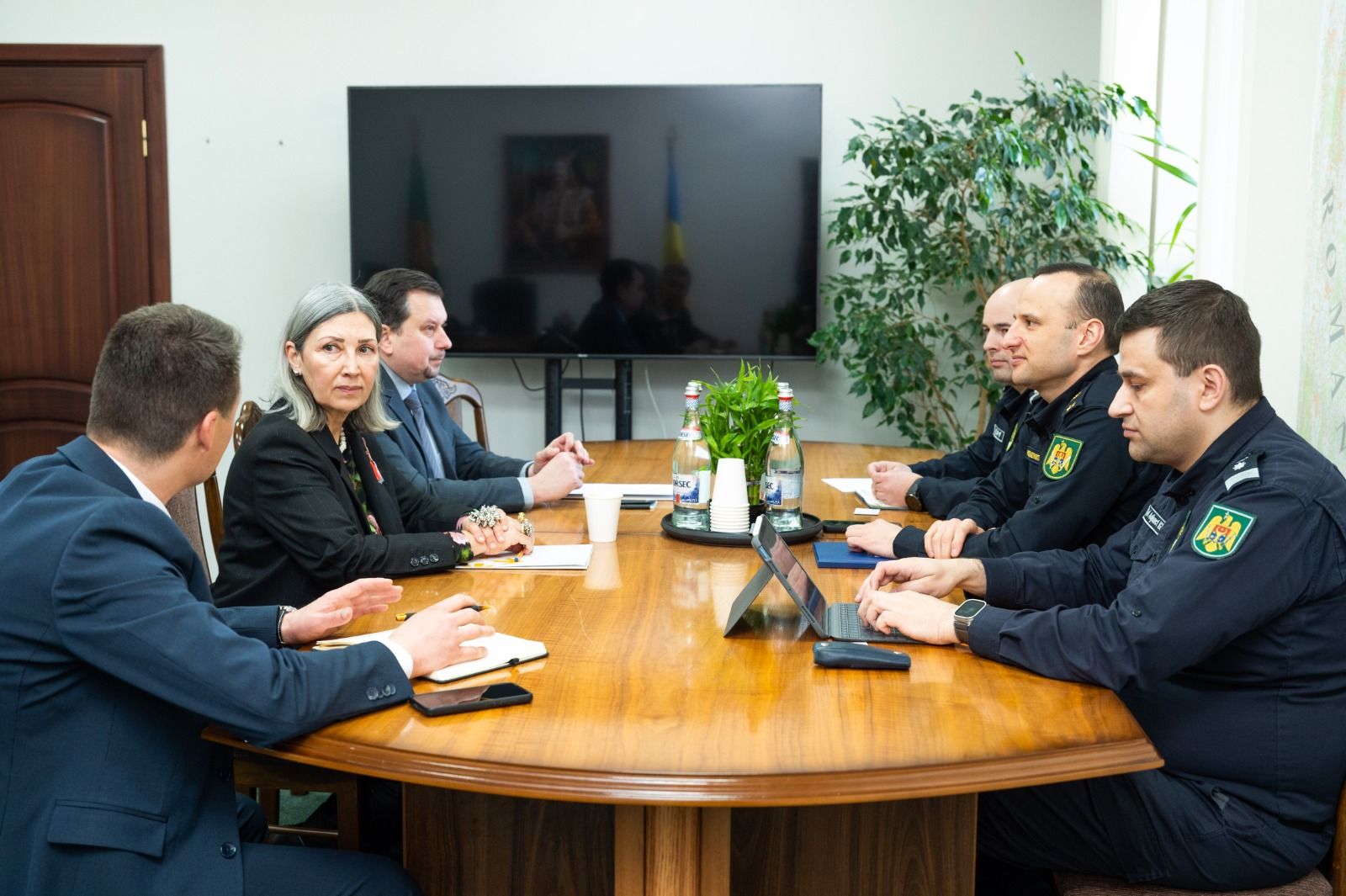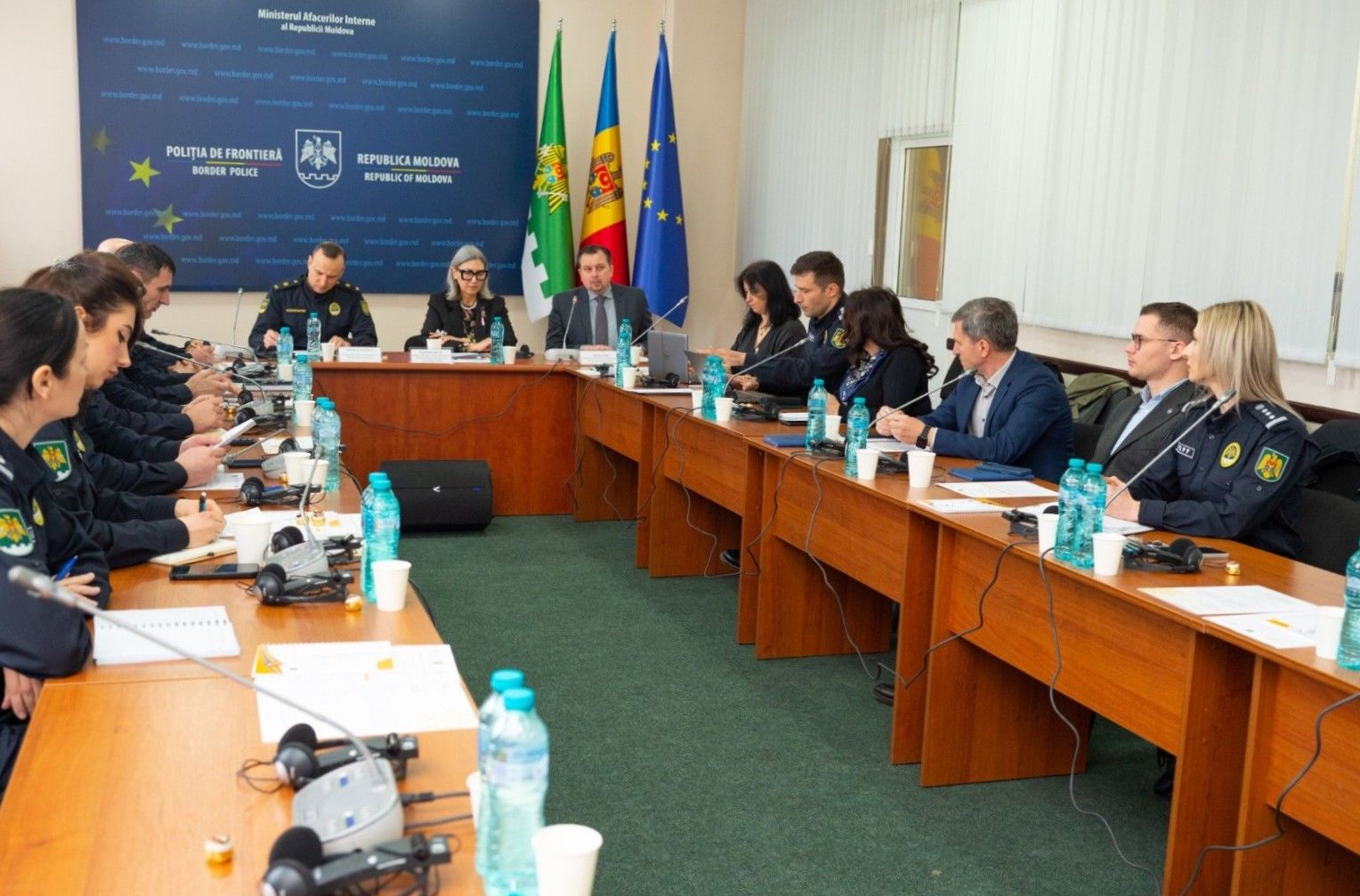
ICMPD Deputy Director General and Director of Migration Dialogues and Cooperation Sedef Dearing met with officials from Moldova’s Ministry of Foreign Affairs, Ministry of Internal Affairs, General Inspectorate of Border Police, Ombudsman Office, the European Union Delegation to Moldova, Embassy of Ukraine, and the Diaspora Relations Bureau at the State Chancellery. Representing Director General Susanne Raab, Ms Dearing discussed last week ICMPD’s ongoing support and future cooperation for Moldova’s migration governance efforts, EU accession preparations, security challenges, border management, and diaspora engagement.
“ICMPD appreciates the excellent cooperation with Moldova and our partners in the region, and we reaffirm our commitment support as a trusted institutional partner. Such collaboration strengthens operational readiness and offers solid ground for continued engagement for Moldova’s wide range of work around migration governance, in support of its EU‑accession alignment, return and reintegration, engaging the diaspora communities, and transferring experience linked to the upcoming implementation of the EU Pact on Migration and Asylum,” Ms Dearing said.
Moldova’s evolving mobility trends, large diaspora, and geopolitical pressures – including the current Middle East crisis and Russia’s ongoing full-scale armed invasion of Ukraine – highlight its need to strengthen crisis‑response and consular protection capacities for Moldovans at home and abroad.
At Ms Dearing’s visit to the General Inspectorate for Migration at the Ministry of Internal Affairs, she met with Mr Dumitru Lazăr, Head of the General Inspectorate, Ms Ina Bogatii, Head of External Assistance, Ms Gabriela Cristea, Head International Cooperation. They highlighted opportunities for cooperation on policy implementation, digitalisation, and regional initiatives for legal migration pathways, protection standards, and return and reintegration mechanisms – areas where ICMPD has EU‑transferable expertise.
At her meeting with Mr Ruslan Galuşca, Chief Quaestor at the General Inspectorate of Border Police, Mr Eugen Levco, Deputy-Chief, and Mr Mihail Pislaras, Head of Strategic Management Department, Ms Dearing discussed the continuing sifts in Moldova’s migration and border‑management landscape in 2026, amidst the country’s reforms driven by its EU accession process, along with demographic pressures, and ongoing regional security challenges. ICMPD is supporting Moldova in risk‑analysis, delivery of equipment, implementation of the country’s updated border management programme, and cooperation with the Ombudsman on human rights in the context of border security.
The focus on human rights was also echoed in Ms Dearing’s meeting with Moldova’s Ombudsman, Mr Ceslav Panico, and Mr Alexandru Zubco, Head of Anti-Torture Department. They discussed future opportunities to include rights monitoring in the implementation of Moldova’s Programmes on Migration and Asylum and IBM (2026–2030); building on ICMPD’s technical and operational expertise and as project delivery partner and enabler of human‑rights‑compliant migration governance. It will also pave the way for sharing lessons from implementation planning, and how the Office of the Ombudsman can contribute to oversight, legislative review, and rights monitoring.
Ms Dearing also met with Mr Lilian Moraru, Head of the Consular Affairs Department and his team at the Ministry of Foreign Affairs, to identify areas where ICMPD can support consular services for the Moldovan diaspora and citizens abroad through joint initiatives in crisis‑response, digitalisation, and protection overseas. This is amidst Moldova’s current context of migration pressures and evolving mobility and security needs. ICMPD previously produced a comparative case study on consular assistance during emergencies (Moldova-Georgia-Ukraine), which would offer evidence‑based foundations in strengthening Moldova’s crisis‑response systems.
In parallel, Ms Dearing met Mr Daniel Rotaru, State Secretary, and Ms Violina Donu, Head of Diaspora Relations Bureau to discuss joint initiatives with priority focus on return and reintegration support for Moldovans returning from abroad, which is central to Moldova’s national agenda. Along with potential return, they also discussed further opportunities for diaspora engagement via ICMPD’s expertise on policy development, reintegration frameworks, operational tools, and instruments such as the Return and Reintegration Facility.
She also met with Ukrainian Consul General for Moldova Mr Oleksii Kopyl, and Mr Viktor Babiuk, Border Secretary at the Embassy, to further the discussions on ICMPD’s support in the adaptation of the Unity Hub/UCC model in the country. Moldova hosts a significant number of displaced Ukrainians in the country, shaping policies on protection, inclusion, and border governance, in coordination with Ukrainian and Moldovan institutions.
Equally important, Ms Dearing also met with the EU Delegation’s Ms Sophie Dagand, Security and Migration Programme Manager. They highlighted ICMPD’s key role as an EU implementing partner in migration and border management system modernisation, underscoring the organisation’s role as a regional knowledge convenor through the Prague Process and Budapest Process, ensuring Moldova’s voice in regional dialogues and reform practices.
“Our role is to support your vision, your reforms, and your strategic direction. ICMPD stands ready to support projects and dialogues, ensure complementarity with other EU initiatives, and offer a holistic approach to migration governance,” Ms Dearing concluded.