Three regional migration Dialogues are further strengthening the responses to human trafficking and migrant smuggling across African and European routes. The Khartoum, Rabat, and Niamey Processes marked an important milestone in interregional cooperation to enhance policies and cooperation to align with realities on the ground, ensuring that responses to these crimes remain fit for purpose.
The Joint Thematic Meeting of the three dialogues on 4-5 November 2025 in Lagos, Nigeria, gathered 166 representatives from 41 countries, alongside regional and international organisations, as well as CSOs. Co-chaired by Nigeria and France, the meeting was guided by the “4Ps” approach: prevention, protection, prosecution, and partnership; and specifically sought to advance the pivotal role of the first three pillars in breaking cycles of exploitation, combating impunity, and in turn preventing reoffending.
Participants reaffirmed a shared responsibility between African and European partners to build coordinated responses grounded in lived realities. Addressing trafficking and smuggling effectively requires robust prevention strategies responsive to both criminal patterns and situations of vulnerabilities, comprehensive and long-term protection frameworks, and prosecution efforts that secure convictions and uphold accountability.
Our shared commitment to deepen dialogue, build trust, and strengthen synergies between the Khartoum, Rabat, and Niamey Processes are the three complementary pillars of the Africa-Europe migration partnership. By bringing them together, we send a clear message: no single country, and no single dialogue, can meet the complex challenges of migration on its own. Only by acting together, as genuine partners, can we deliver sustainable solutions.said, HE Cyrille Baumgartner, Ambassador-in-Charge of Migration for France and current Chair of the Khartoum Process
Discussions highlighted the highly adaptive nature and severe scale of these cross-border criminal networks within regions. Data from the Mixed Migration Centre (MMC) have underscored the urgency of collective action:
- Over 50% of smugglers reported changing routes in the last six months, reflecting the adaptability and responsiveness of criminal networks to law enforcement efforts;
- 84% of refugees and migrants surveyed experienced human-rights abuse on their journeys to Europe;
- Incidences of child trafficking rose globally by 31% between 2019 and 2022; with West African children making up most confirmed cases.
The 4Ps approach
Evidence-based, whole-of-society prevention approach: Participants stressed that prevention must be rooted in real-life experiences of people on the move and tailored to evolving criminal patterns. Priorities around prevention included stronger data and intelligence-sharing among partner countries; empowering communities, schools, and families to identify and prevent risks; and integrating survivor knowledge and experience into prevention efforts.
Continuity of identification and protective care across borders: Discussions also emphasised that protection must follow people rather than stop at borders. Key priorities highlighted were harmonised victim identification and referral mechanisms, with regional referral mechanisms as a successful model; trauma-informed, survivor-centred services; and reintegration pathways that extend beyond immediate assistance and support resilience.
Harmonised legal prosecution frameworks and strengthened cooperation for effective justice outcomes: With trafficking and smuggling growing as transnational crimes, the discussions underscored the need for coherent investigative and judicial approaches across borders to support accountability and reduce opportunities for reoffending. This would need harmonised crime definitions and evidentiary standards; multi-country joint investigation teams and strengthened judicial cooperation mechanisms; and enhanced investigations targeting masterminds and financial flows.
Scaling good partnership practices at regional and cross-regional levels: National and regional experiences were showcased to emphasise their adaptability and replicability. Participants stressed that to successfully scale up partnerships, prior needs assessments must be done to identify institutional, legal or operational gaps. Multi-stakeholder engagement must be strengthened, along with institutional capacity and sustained ownership of skills by national authorities; and cross-border approaches be aligned with actual trafficking and smuggling routes.
Looking ahead
Discussions underscored that rights-based migration and border governance – combined with targeted support to both communities at risk and victims – are essential to disrupting criminal activities before crimes occur and ensuring accountability to prevent further exploitation.
Therefore, let us sustain the momentum of cooperation and the spirit of shared responsibility. The partnerships strengthened here today must continue to translate into concrete actions; to enhance protection, promote regular pathways, support reintegration, and uphold the dignity of all migrants.said Hon Tijjani Aliyu Ahmed, Honourable Federal Commissioner for Refugees, Migrants and Internally Displaced Persons, for the Nigerian Chairmanship at the closing of the event
Twenty-five years after the adoption of the UN Convention Against Transnational Organized Crime and its Protocols, the call to translate commitments into concrete results remains as urgent as ever. The outcomes of the Joint Thematic Meeting will guide future joint programming, operational initiatives, and strengthened regional and cross-regional cooperation.
The full Outcome Document of the Thematic Meeting can be accessed here in English and French.


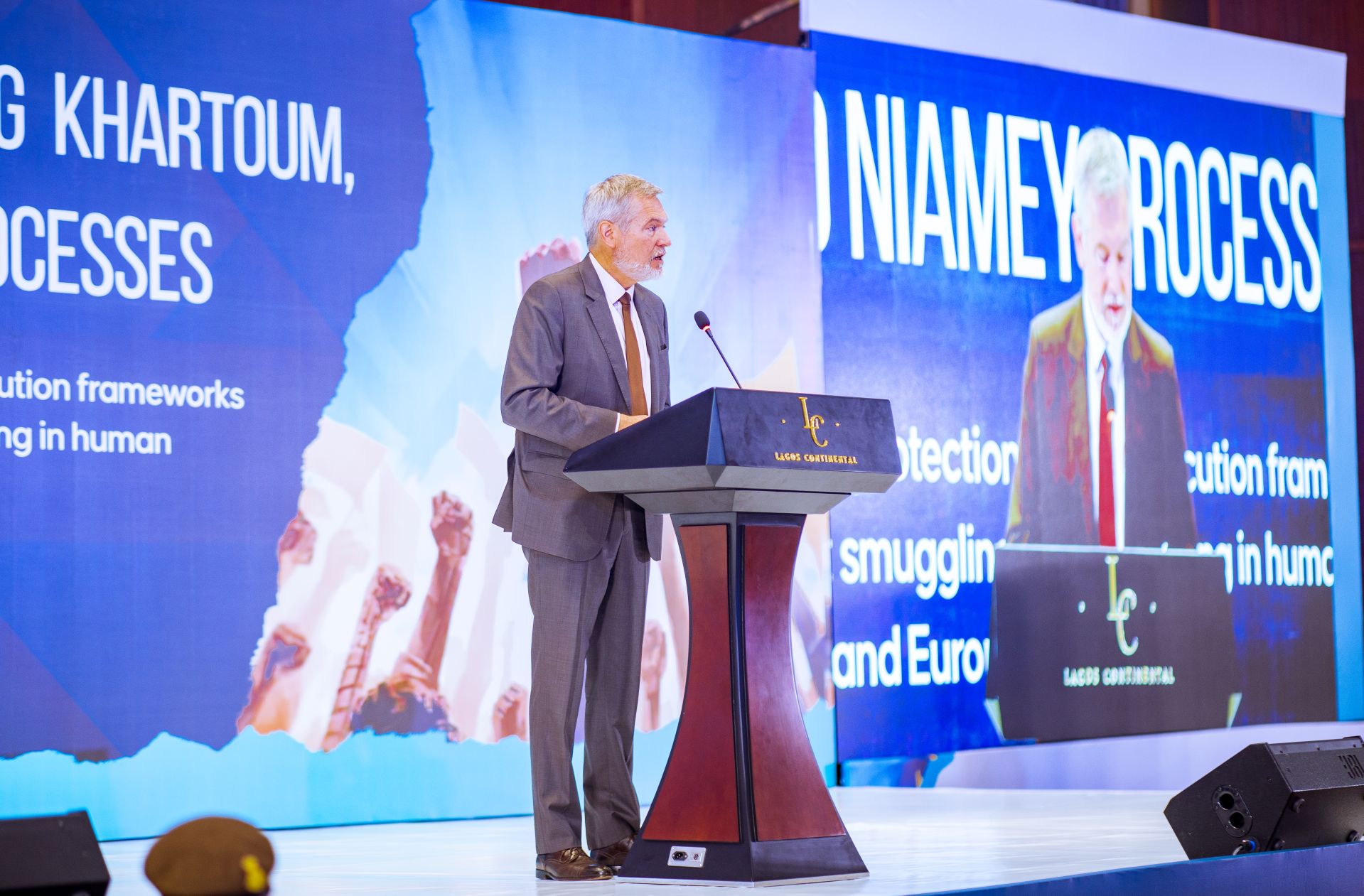


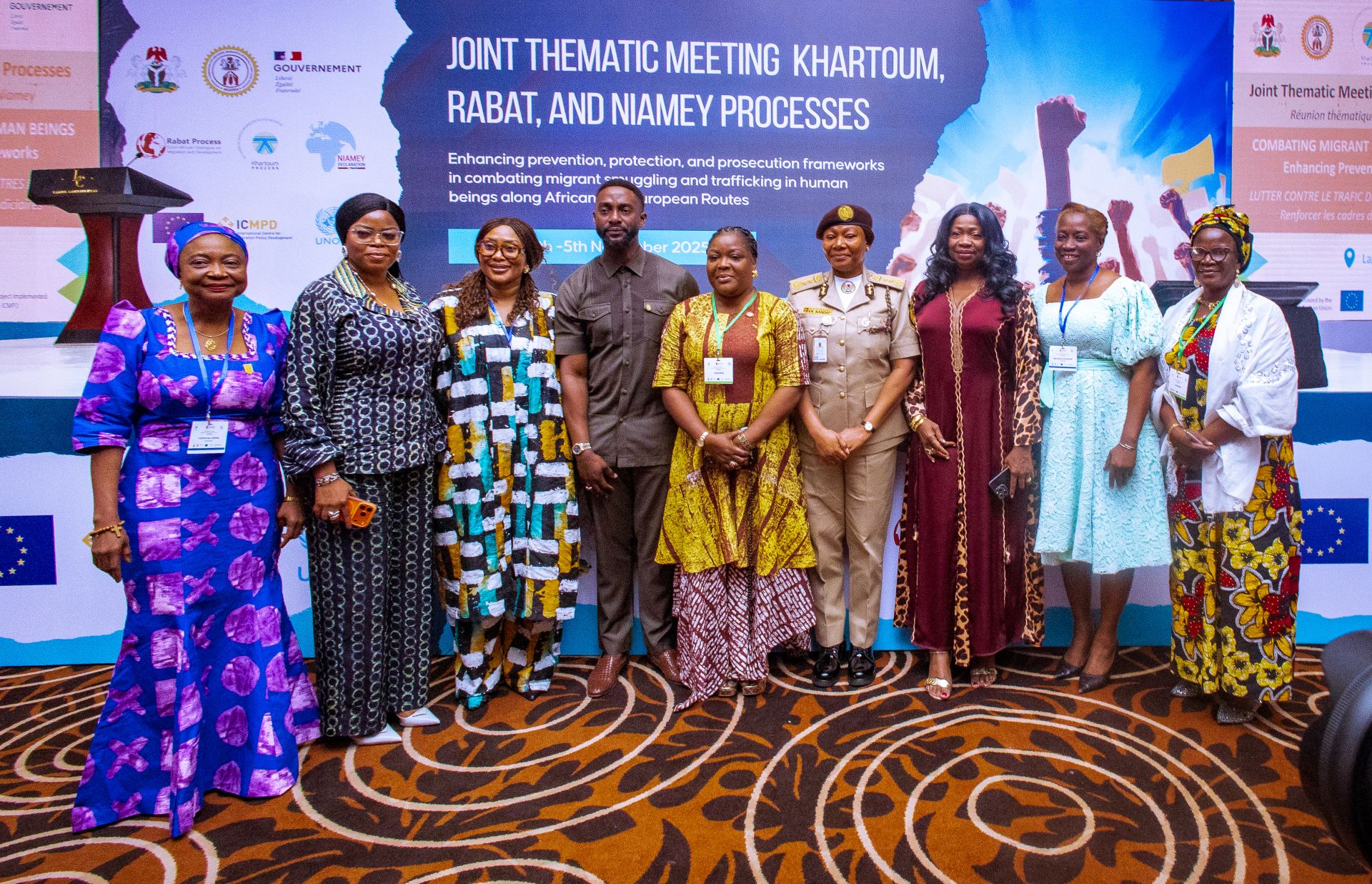

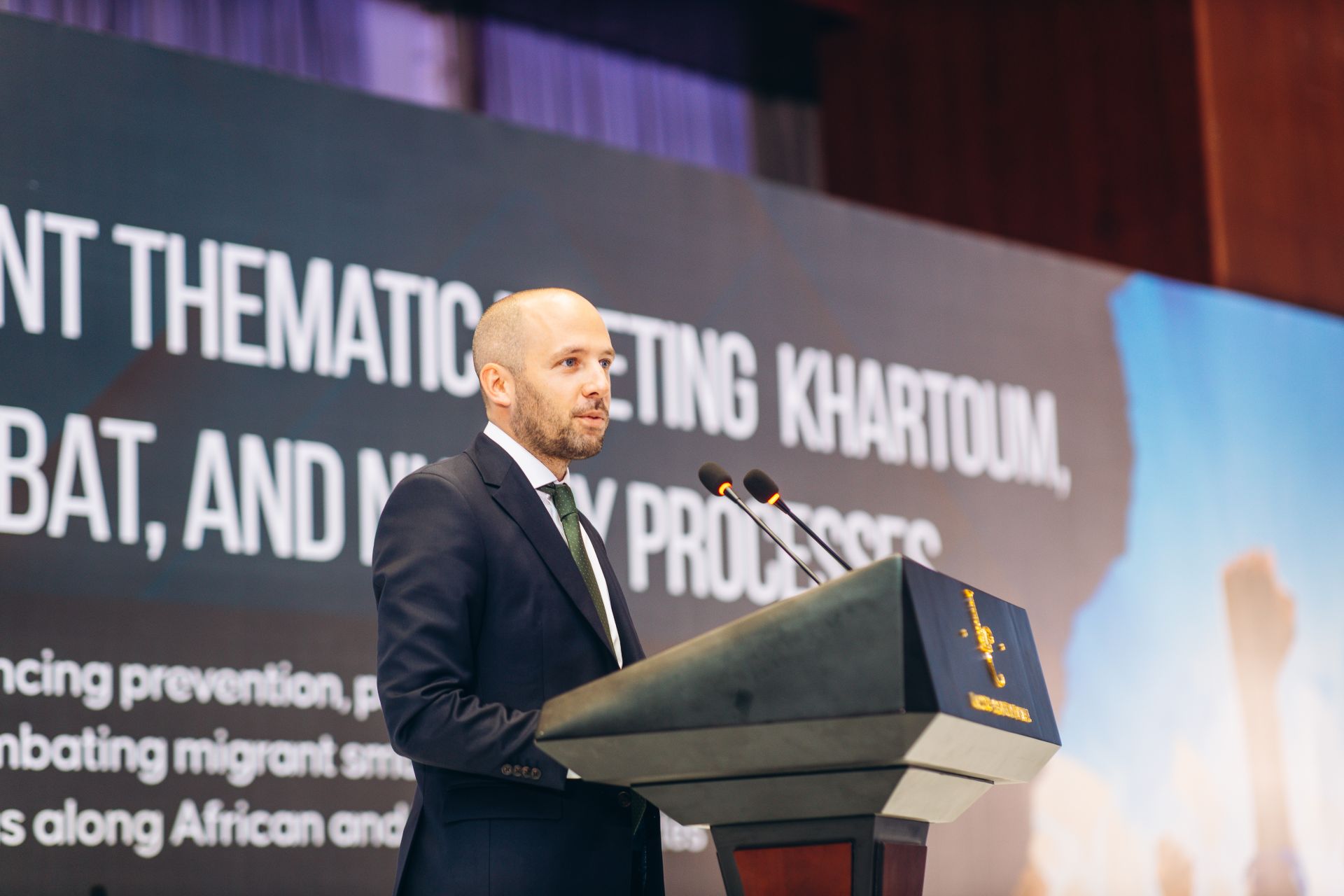
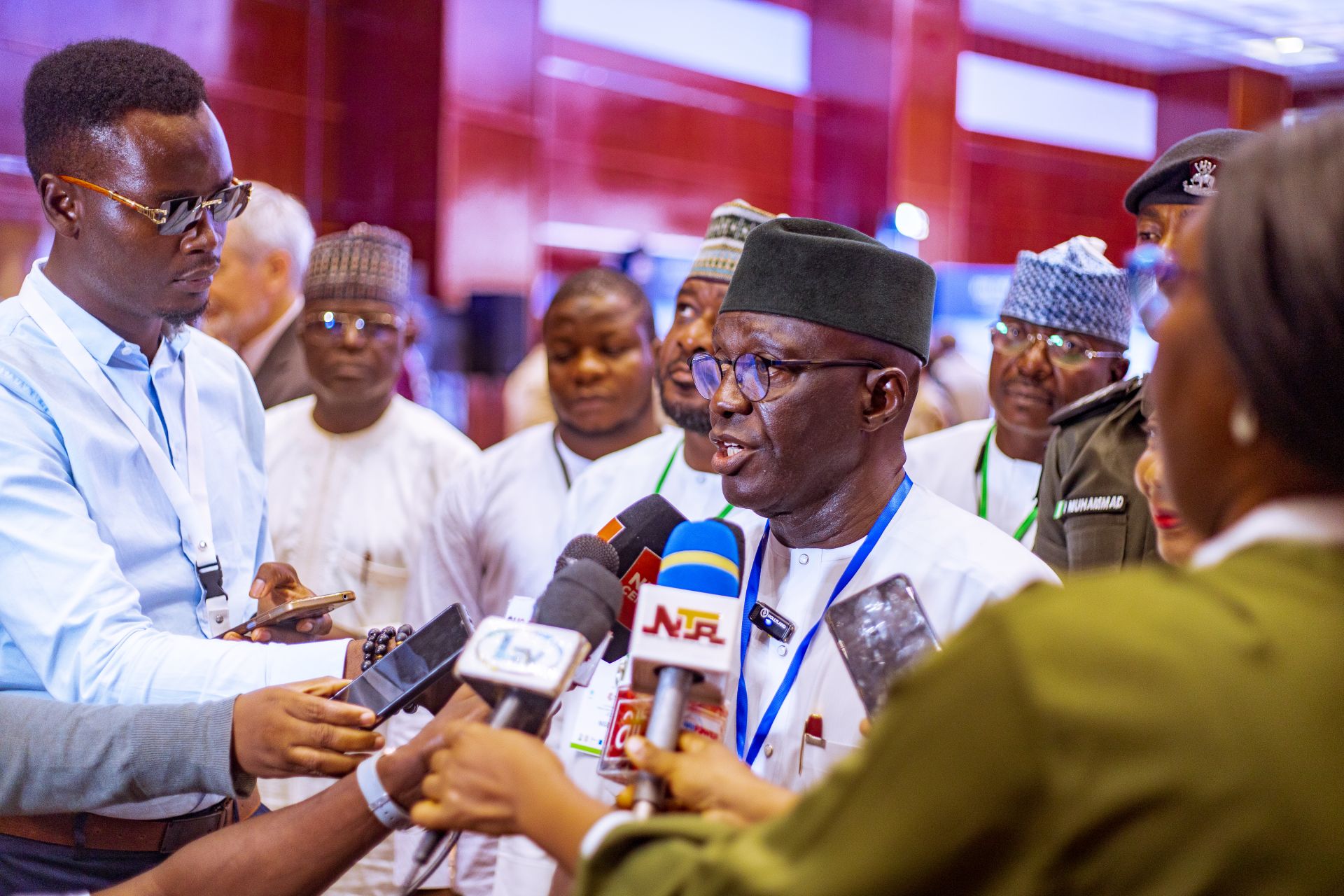

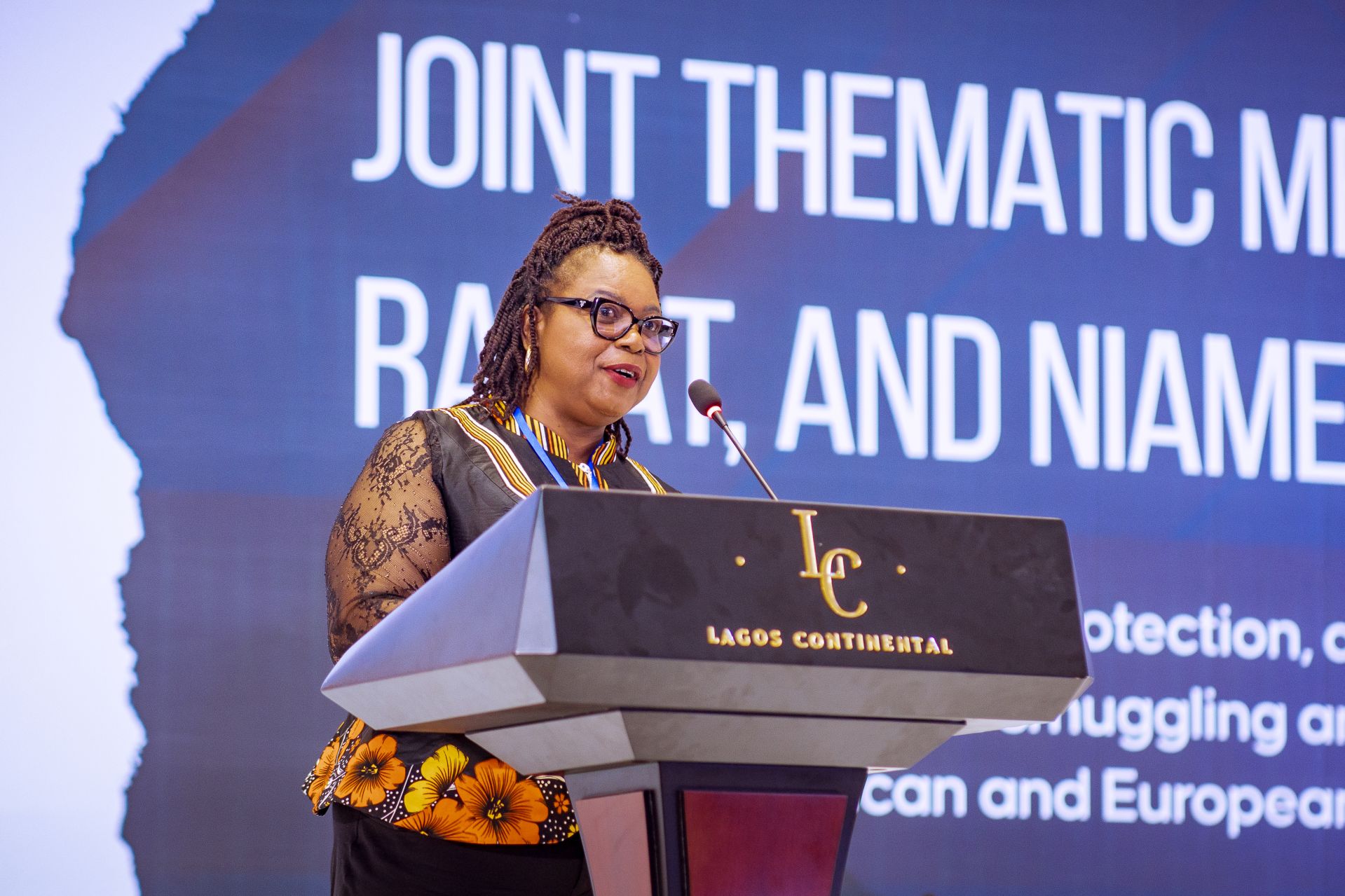

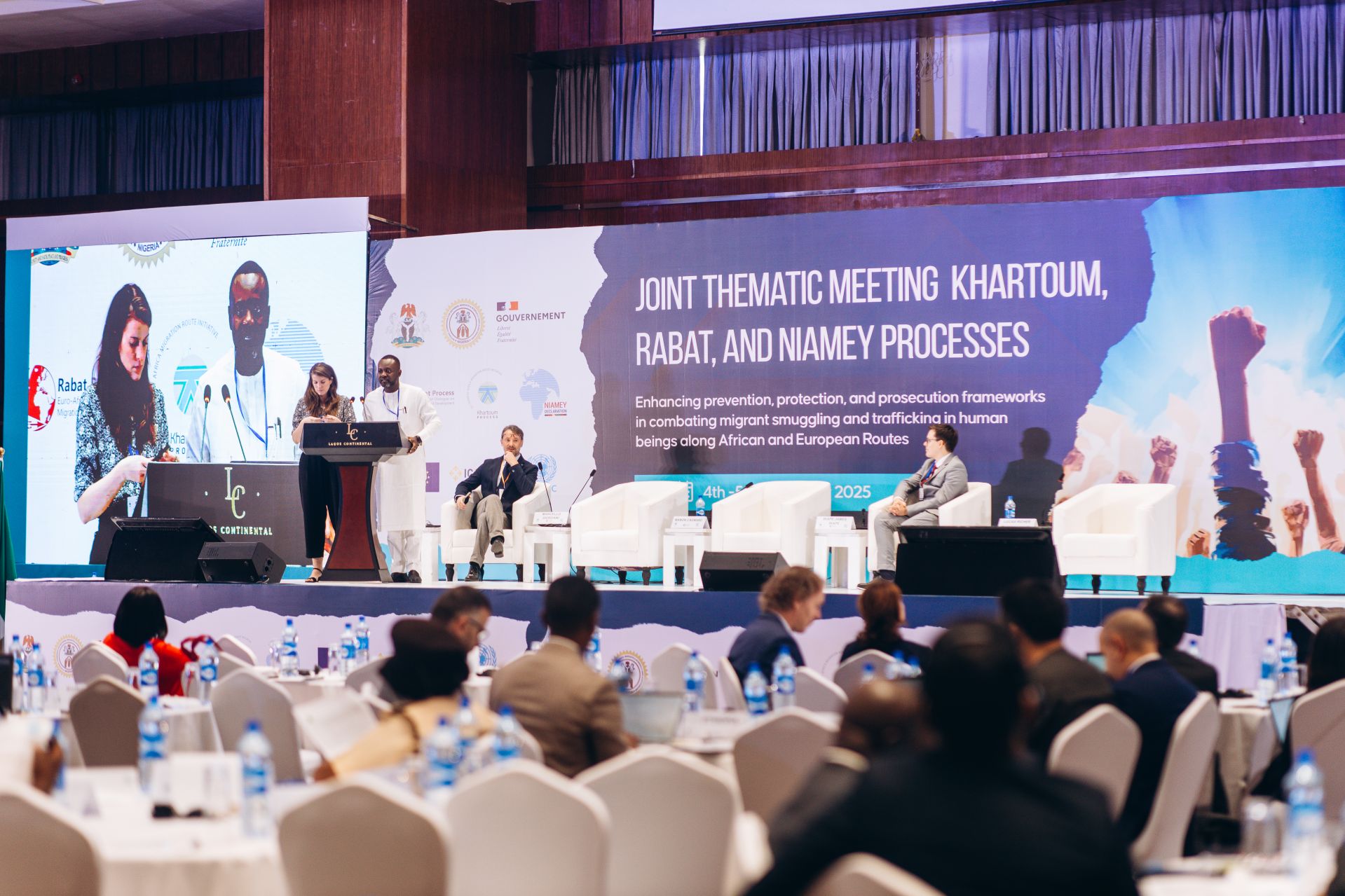
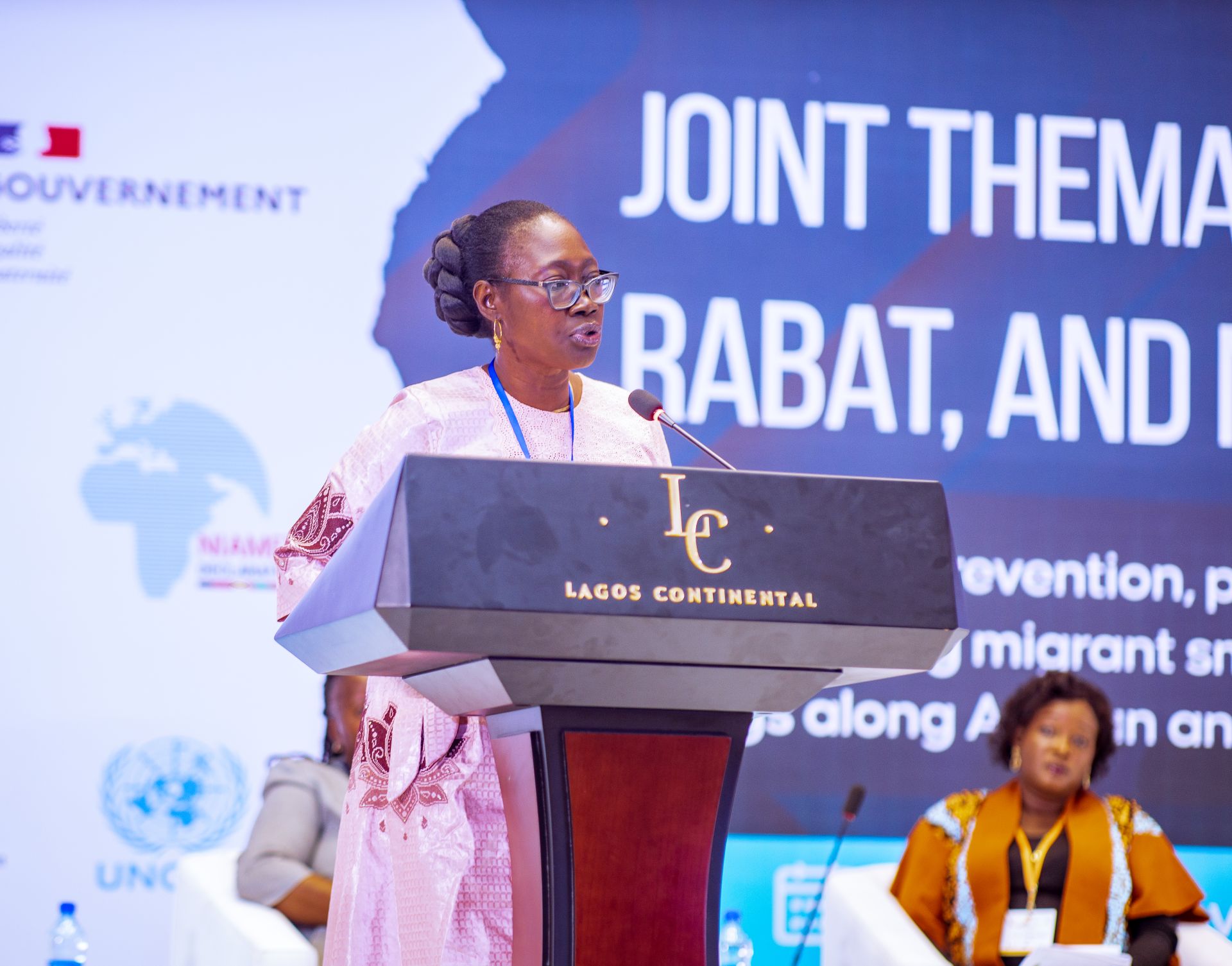

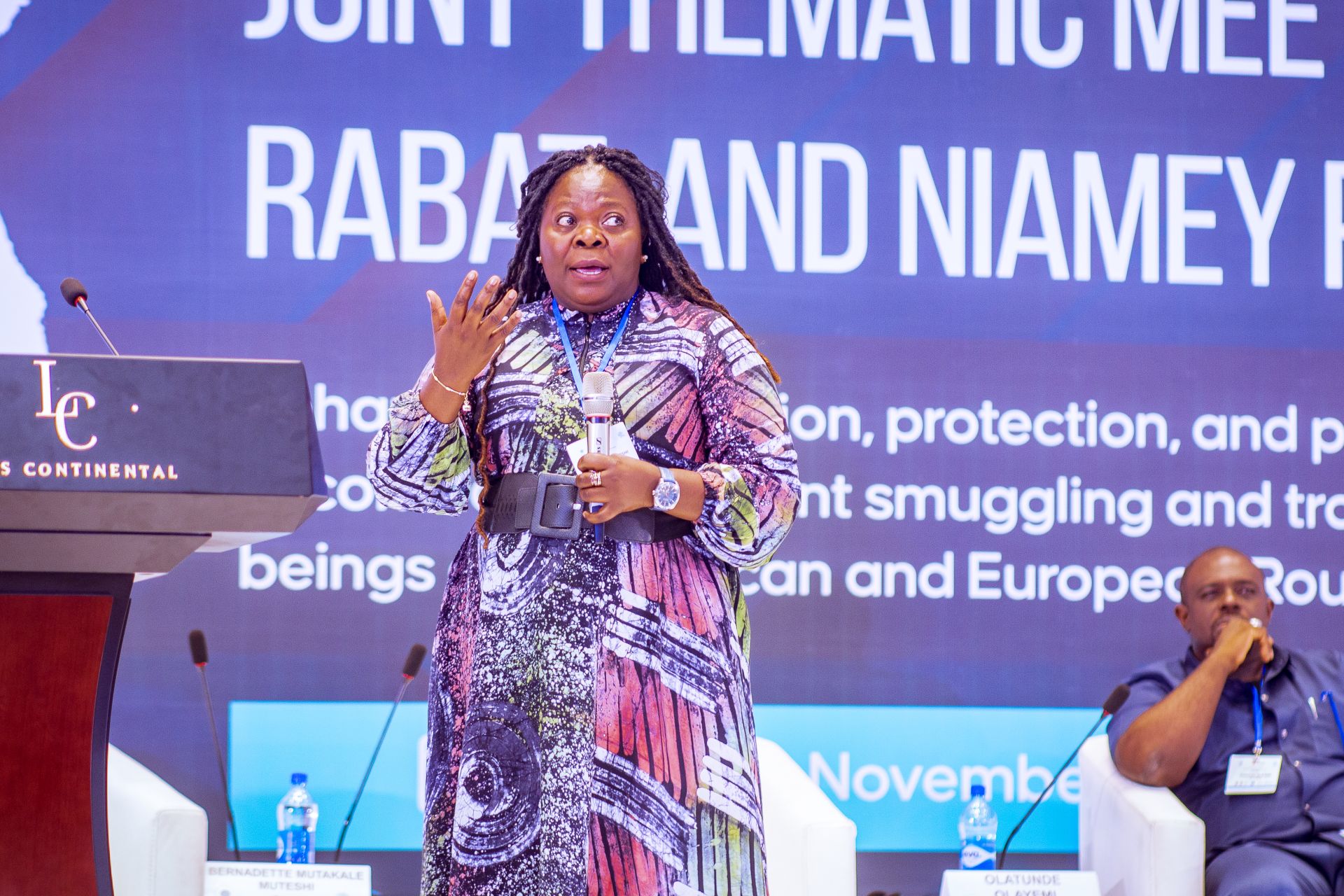


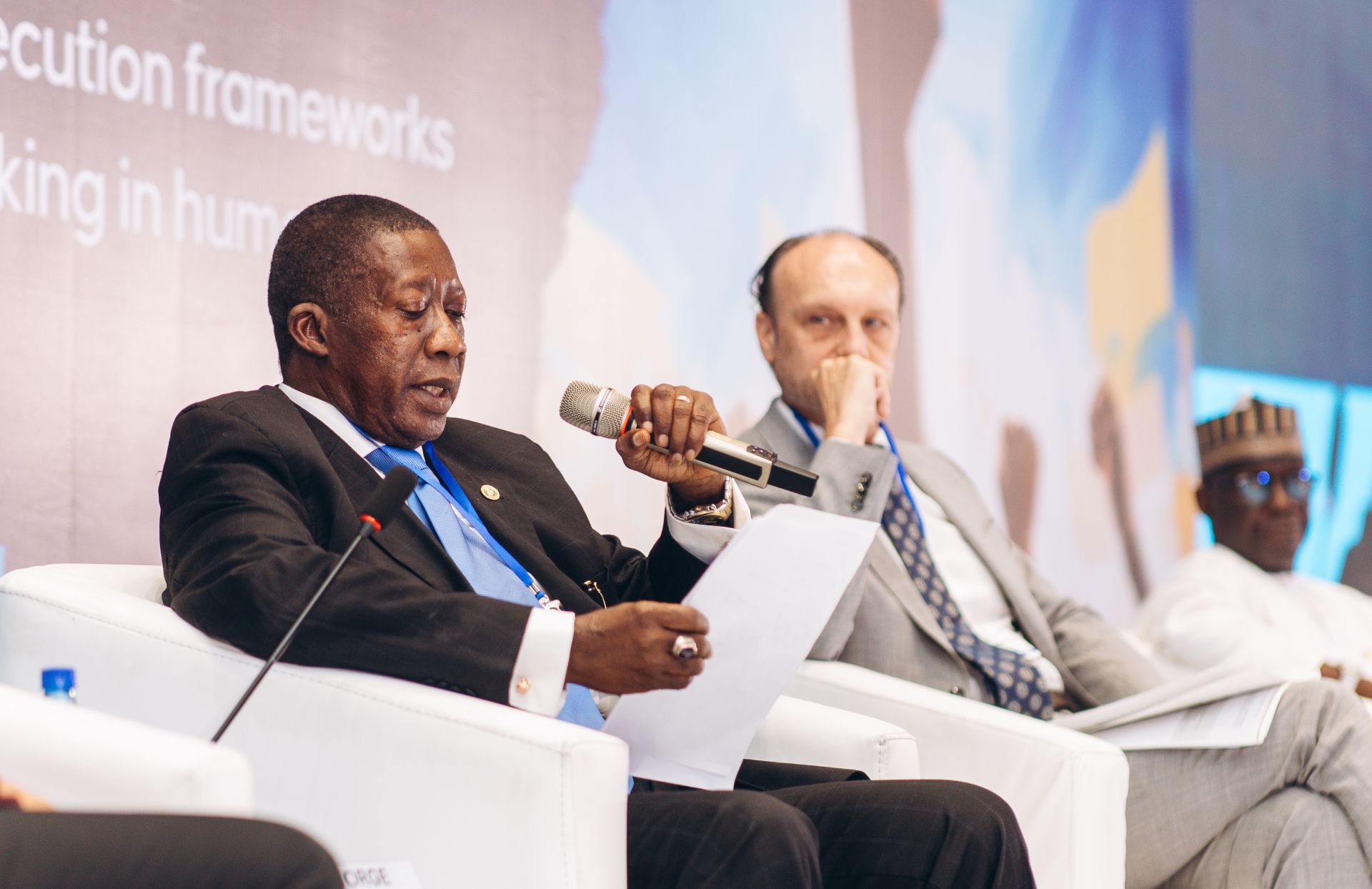

The Honourable Federal Commissioner of Nigeria, Aliyu Ahmed Tijani, delivering Nigeria's opening speech, as the host and co-chair of the Joint Thematic Meeting.