For decades, Pakistani workers have travelled abroad in search of employment, contributing their skills and labour to economies across different regions of the world. The scale of this movement is considerable: according to government data, more than 14 million Pakistani workers have proceeded abroad for employment through formal channels since 1971, with recent annual outflows often reaching well above 700,000.
But Pakistan’s labour migration story is not defined by numbers alone. It is also geographically diverse. Migration patterns vary considerably across the country. Different provinces have developed links with different labour markets, while prospective migrants range from workers seeking opportunities in long-established destinations in the Gulf to skilled professionals looking towards Europe and elsewhere. Their destinations, skills, and circumstances differ, as do the information and support that they may need before and after migration.
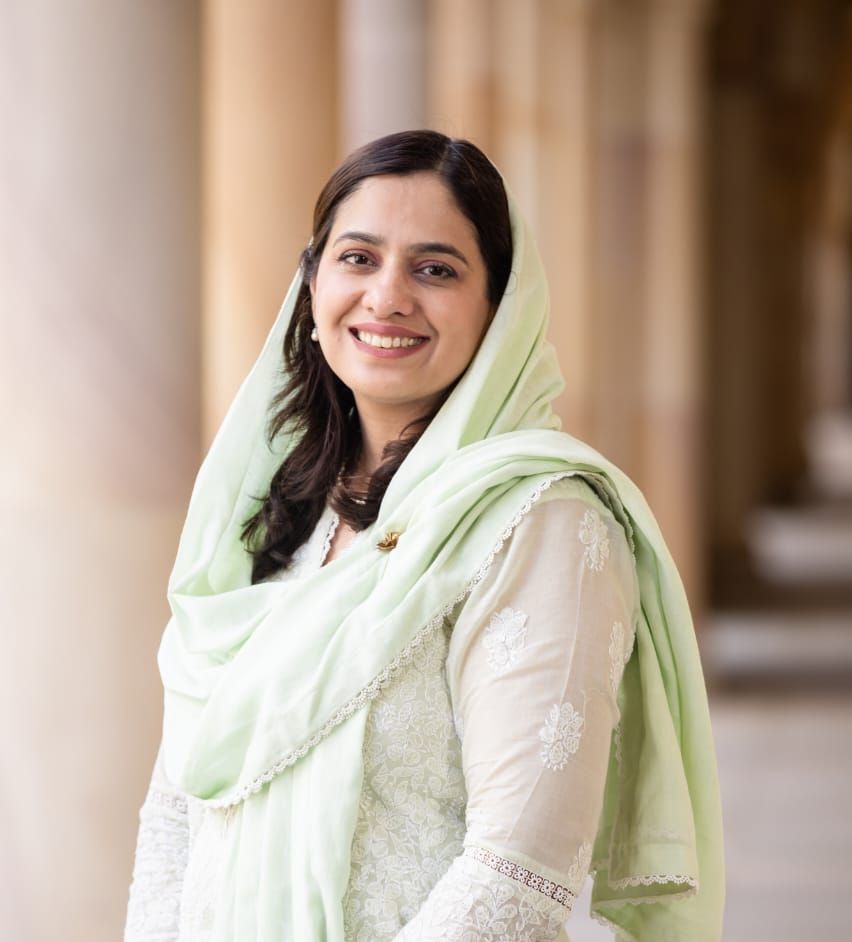
For Sadia Haider, Deputy Secretary at Pakistan’s Ministry of Overseas Pakistanis and Human Resource Development (MOPHRD), this diversity is important to understanding why access to reliable migration information matters. “These patterns underline why migration information, and counselling cannot be confined to a single administrative location,” she says.
Within this migration landscape, Pakistan became the first country to establish Migrant Resource Centres in 2016. The first Migrant Resource Centre (MRC) was established in Lahore with support from the International Labour Organization(ILO) under an EU-funded initiative. ICMPD subsequently took the model forward through the Silk Routes Partnership for Migration. The MRCs complemented existing government services by providing a dedicated mechanism for information, awareness-raising and counselling, helping bring migration guidance closer to prospective migrants and their communities.
For the Ministry, their establishment represented more than an additional service. “The establishment of the MRCs represented an important development in Pakistan’s approach to migration governance,” Haider says. “From the Ministry’s perspective, it represents an investment in informed decision-making and migrant empowerment.”
What began as a pilot in two Pakistani cities would eventually develop into a wider network, both geographically and in the range of support provided. Following the experience in Pakistan, the MRC model was scaled up and replicated across the Silk Routes region and subsequently expanded into Central Asia. Today, MRCs support prospective migrants, returnees, their families and communities in different national and local contexts.
Yet while the model expanded, the original MRCs in Pakistan continue to operate and evolve. For Haider, this combination of replication and sustainability is one of the most significant achievements of the first decade. “The most significant achievement is that it initially started as a project, as a pilot, and then it was scaled up and sustained,” she says.
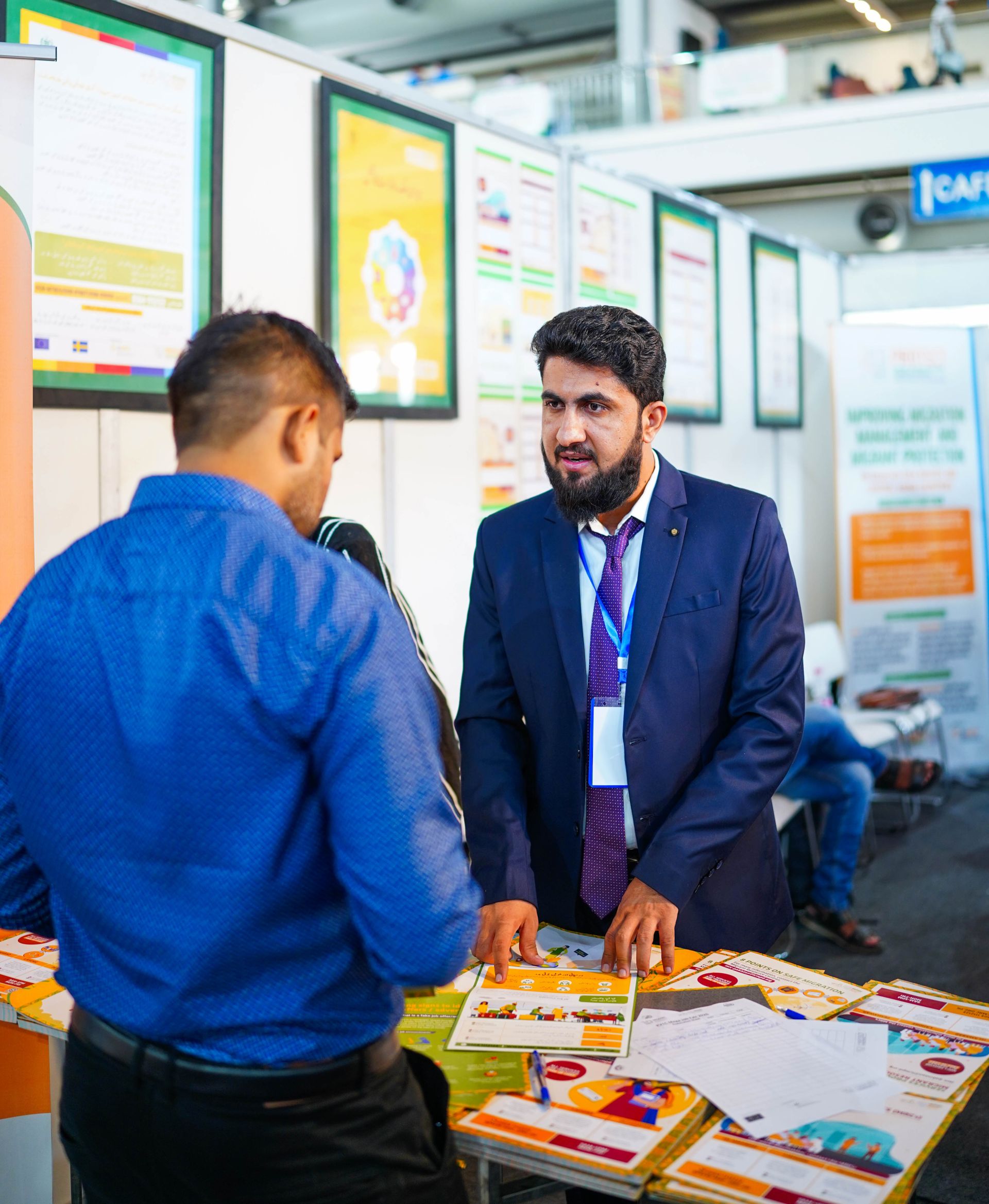
As the migration landscape has evolved, so have the MRCs' functions. What began primarily as a mechanism for awareness-raising and providing prospective migrants with reliable information has developed into a broader range of support across the migration cycle. Today, the MRCs provide individual counselling and pre-departure information, connect people with relevant skills development opportunities, and help prospective migrants understand procedures and navigate the migration process. Their work also helps people distinguish reliable guidance from misinformation and understand safe and regular migration pathways.
For the past three years, the MRCs have also supported MOPHRD’s work on the sustainable reintegration of Pakistani returnees, extending their role beyond pre-departure support to include assistance after return.
Ms. Haider describes the Centres as an “important operational interface” between Pakistan’s migration policies and the citizens who are considering or preparing for migration. Government institutions establish policies, procedures, and systems that govern overseas employment, while the MRCs help bring this framework closer to prospective migrants by translating it into practical information and guidance they can use when making decisions.
Partnership between MOPHRD and ICMPD has evolved alongside the MRCs themselves. Over the past decade, the Ministry has provided policy direction, institutional leadership and guidance, while ICMPD has supported the delivery and continued development of MRC services. This collaboration has helped ensure that the MRCs activities aligned with Pakistan’s migration and overseas employment framework and complementary to the mandates of government institutions working across the migration cycle.
The experience has also reinforced the role of the MRCs as part of the wider institutional landscape rather than as a parallel service. Their development has been shaped by national priorities, while their engagecement with prospective migrants and returned provides a practical perspective on the information and support people needed.
Ten years ago, Islamabad and Lahore provided the setting in which the MRC model was first tested. Since then, the approach has developed from a pilot into a sustained service and a model replicated within and beyond Pakistan.
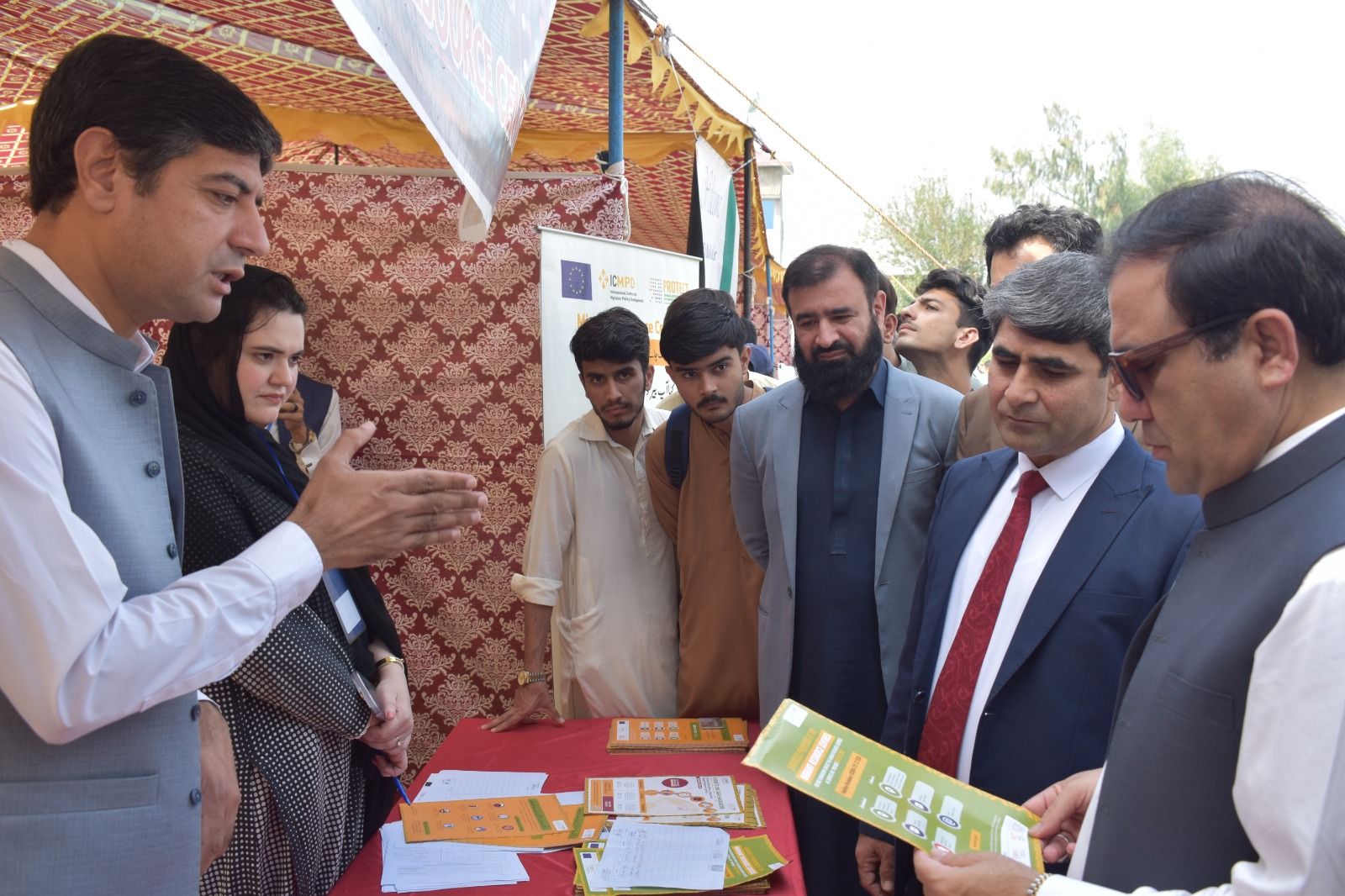
In Pakistan itself, the network has expanded to Peshawar, brining MRC services closer to communities in Khyber Pakhtunkhwa and strengthening linkages with the Protectorate of Emigrants. Looking ahead, the planned expansion to Karachi/Sindh offers an opportunity to extend the model to another major migration hub and broaden access to migration information and support. MOPHRD sees further institutionalisation, sustainability and geographical expansion as priorities, alongside closer alignment with Pakistan’s migration and welfare framework, including the National Emigration and Welfare Policy 2026, and greater use of digital tools, evidence, and partnerships.
As the partnership enters its second decade, it carries forward ten years of experience, cooperation and lessons from the country where the MRC journey began. The next phase will build on that foundation by expanding access to services, strengthening links with government-led migration support, and continuing to adapt the MRC model to the changing migration realities in Pakistan and across the wider region.