Long before there were Migrant Resource Centres (MRC) — before the counselling sessions, community outreach campaigns, and the networks reaching thousands of people across regions — a simple observation emerged from a Budapest Process meeting in Pakistan: “Too many people were making life-changing migration decisions, with too little or no reliable information,” says Sedef Dearing, now Deputy Director General at ICMPD.
For Sedef, it was already a problem that had long existed in plain sight. People planning to migrate relied on advice from relatives abroad, informal recruiters, and friends of friends — much of it incomplete, outdated, or simply wrong. Often, these misguided plans and decisions carry serious risks and consequences; ranging from money lost and contracts that turned out to be scams, to workers trapped in exploitative conditions abroad.
What was needed was a place where people could ask questions: a physical office with trusted professionals, a familiar face who would still be there next week. Somewhere people could make sense of the opportunities, the challenges, the risks, and decisions before setting off.
The idea was straightforward. Turning it into reality was not. At the time, ICMPD was still establishing its presence in the region, and the concept depended on something that cannot be created overnight: trust. Trust from authorities, communities and the migrants themselves.
The response that ICMPD provided
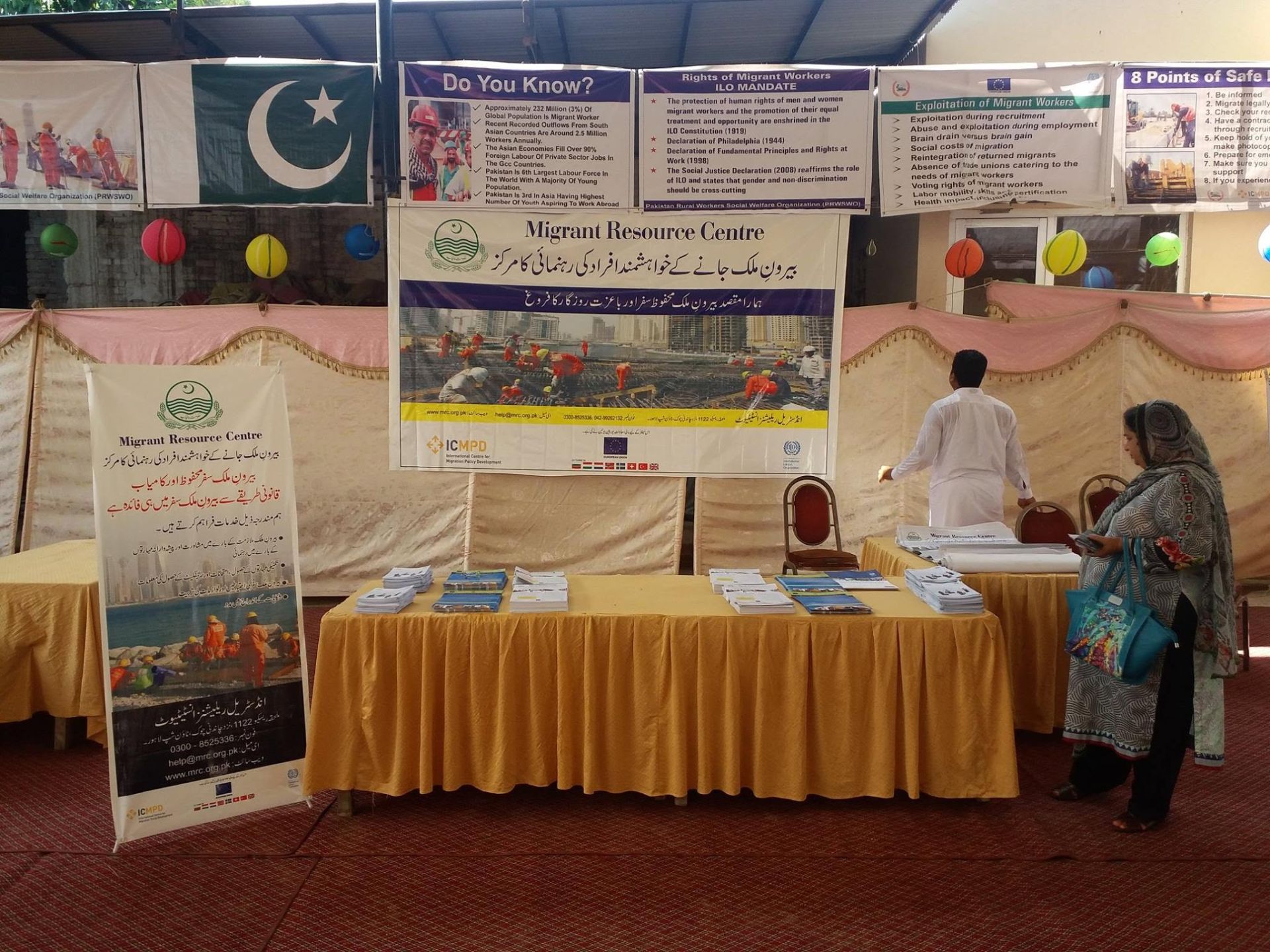
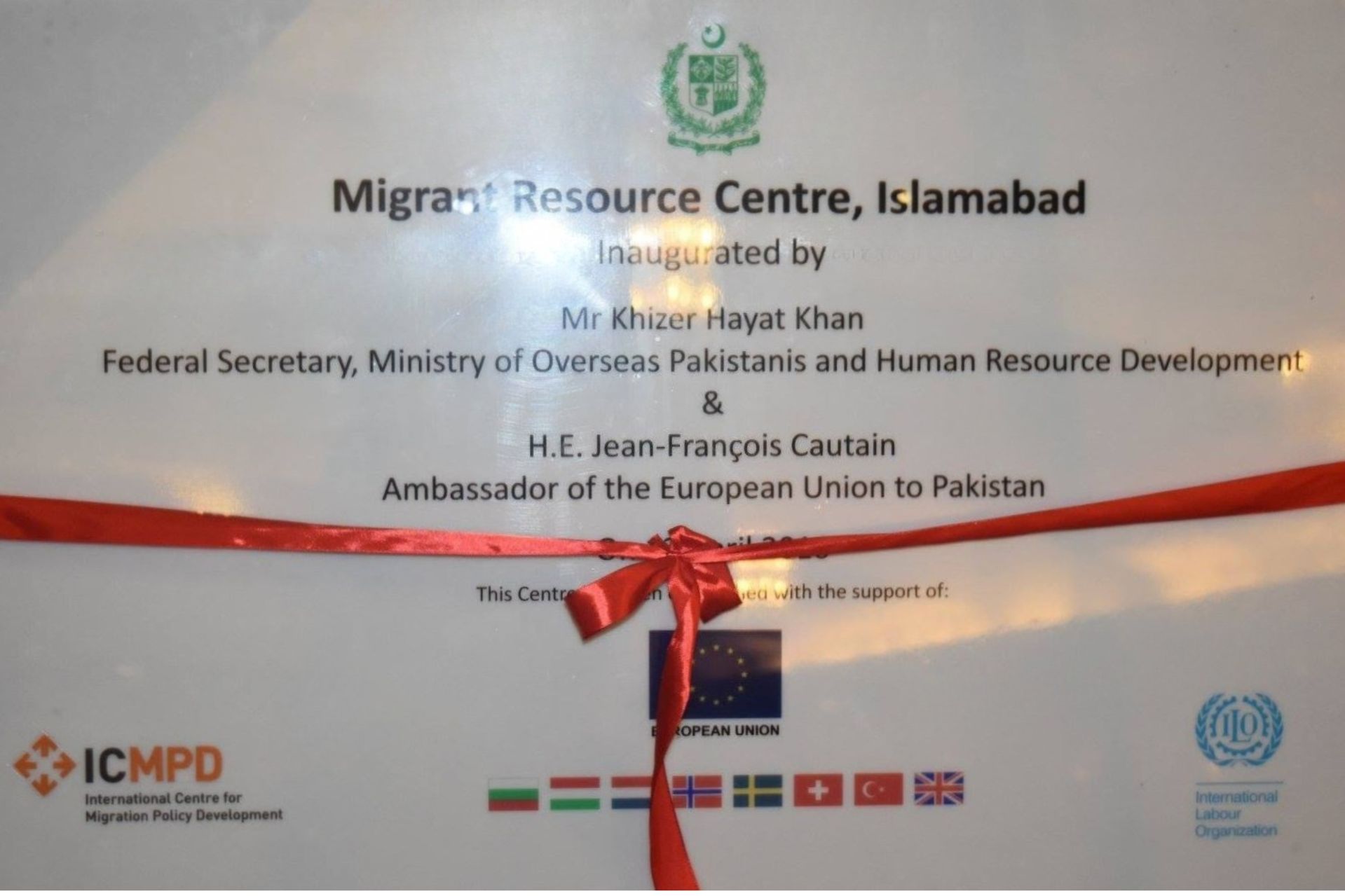
When the first MRCs opened in Lahore and Islamabad in 2016, visitors arrived expecting jobs; while others came with questions. Conversation by conversation, visitor by visitor, trust began to grow.
A decade of MRC work since, it would be easy to measure success in numbers. But Sedef measures it differently. She remembers workers on the verge of spending their life savings on fraudulent recruitment schemes; and migrants trapped in exploitative situations abroad, unsure how to return home. Young people were trying to decide whether a contract or a study opportunity was genuine or a scam. These were the moments that defined the work.
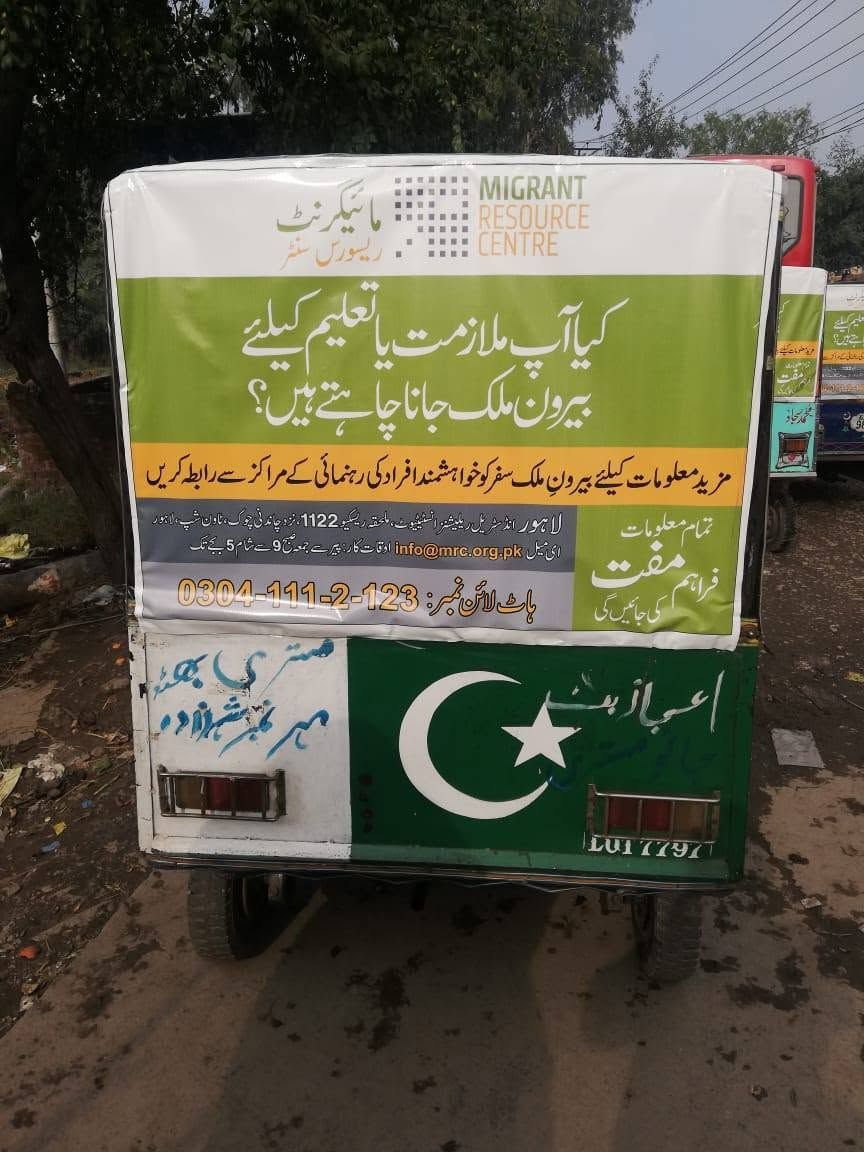
The MRCs also advanced as migration routes changed and technologies shifted. Social media transformed how people searched for opportunities, opening new channels for outreach but also new pathways for misinformation. "The MRCs adapted," says Sedef. "We moved into digital spaces, organised online orientation sessions.”
Looking back, Sedef points to two developments she never fully anticipated: longevity and scale: "The MRC model turned out to be long-lived, and replicable across many countries." What began with two Centres in Pakistan gradually expanded into a regional network stretching from Silk Route countries — from Afghanistan, Bangladesh, Iraq, and Sri Lanka – to Central Asia, in Tajikistan, Kyrgyzstan and Uzbekistan.
As migration realities evolved, so has the MRC network. Now, people approach the Centres at very different stages of their migration journey. Some are weighing opportunities abroad and looking for reliable information before making a decision; while others are already overseas and facing difficulties. Some are preparing to return home.
What began as a place for questions has become a network that supports people through each of those transitions — connecting them through information, and with services and tailored guidance; while helping institutions better understand the realities migrants face on the ground.
Looking ahead, Sedef sees the future of the MRC network in stronger connections between the Centres following a routes-based approach; a more interconnected system that shares knowledge across countries, responds to emerging trends, and strengthens the links between local realities and regional migration dialogues.
Sedef is also optimistic of the host countries’ increasing ownership of the MRCs, by dedicating an investment in national resources, manpower, and management. Yet despite everything that has changed, she also believes the core purpose remains. When asked how she would explain an MRC to someone who had never heard of one, her answer is disarmingly simple:
"Do you have plans to migrate abroad? Do you know where to get reliable information — how to migrate safely, how and where to get support, how to integrate when you arrive in the country of destination, how to come back and rebuild life in your country of origin? If you don't have those answers, please come in." And for a decade now, the Migrant Resource Centres have worked to make sure those questions are answered.
The next decade will determine how they can be better connected along major migratory routes and help develop sustainable governance structures and capacities among partner countries.