The fifth Regional Exchange Meeting of Migrant Resource Centre (MRC) government partners took place in Islamabad on 14-16 September 2026. The meeting brought together government counterparts and representatives from Bangladesh, Iraq, Kyrgyzstan, Pakistan, Sri Lanka, Tajikistan and Uzbekistan to exchange experiences, strengthen regional cooperation and mark the 10th anniversary of the MRCs.
Co-hosted by the Ministry of Overseas Pakistanis and Human Resource Development (MOPHRD) and ICMPD, with financial support from the European Union, the meeting provided a platform for government partners and MRC teams to discuss practical approaches to migrant information and counselling, awareness raising, protection, referral systems, reintegration, labour migration diversification and the long-term sustainability of MRCs.
The meeting also marked an important milestone for Pakistan. The first MRCs were established in Islamabad and Lahore in 2016 following a request by the Government of Pakistan through the Budapest Process for a dedicated structure to advise prospective migrants on safe, regular and informed migration. Over the past decade, MRCs in Pakistan have developed from information and awareness centres into a wider service platform providing counselling, pre-departure orientation, community outreach, referrals and support for broader national migration governance priorities.
In his opening remarks, Mr Nadeem Aslam Chaudhary, Federal Secretary of the MOPHRD, reaffirmed Pakistan’s commitment to safe, orderly and regular migration, migrant protection and regional cooperation. He underlined the importance of providing prospective, outgoing and returning migrants with timely and reliable information while strengthening cooperation among countries of origin, transit and destination.
Highlighting the importance of regional cooperation, the Federal Secretary said: “No country can address migration challenges alone. Migration is a shared reality that requires practical cooperation between countries of origin, transit and destination. The MRC Regional Exchange provides an important platform for governments to learn from one another, share operational experience and identify practical areas for cooperation.”
Susanne Raab, Director General of ICMPD, described the MRCs as one of ICMPD’s flagship initiatives and emphasised the importance of providing migrants and their families with trusted, accessible and practical information. She noted that the MRC model has developed into a regional approach that helps governments respond to changing migration realities, strengthen migrant protection and promote regular migration pathways.
Reflecting on the development of the initiative over the past decade, the Director General said:
Ten years ago, the idea behind the MRCs was simple but ambitious: to provide people considering migration with credible and free information before their decisions were shaped by misinformation, fraudulent recruiters or smuggling networks. That mission remains as relevant today as it was then.
HE Mr Raimundas Karoblis, Ambassador of the European Union to Pakistan, reaffirmed the EU’s longstanding partnership with the MRCs. He recalled that the EU was present when the first MRC was inaugurated in Pakistan in 2016 and has remained a committed partner over the past decade. He highlighted the importance of promoting regular migration pathways while addressing irregular migration, migrant smuggling and trafficking in human beings, and ensuring that prospective migrants can access credible and practical information.
Reaffirming the European Union’s support for the MRC model, the Ambassador said: “MRCs are not only useful service providers. They are an important part of effective migration governance.”
The fifth MRC Regional Exchange built on previous exchanges held online and in person, including meetings in Istanbul in 2024 and Astana in 2025. These exchanges have helped establish a community of practice among MRC government counterparts, allowing countries to share lessons, identify common challenges and explore practical cooperation on migrant information, labour mobility, reintegration, migrant protection and the prevention of irregular migration, migrant smuggling and trafficking in human beings.
Discussions in Islamabad focused on three main areas. The first concerned MRC sustainability, government ownership and the future of the MRC model. Participants considered how MRCs could be embedded more firmly within national migration systems, with clearer institutional responsibilities and sustained government engagement in their planning, implementation and oversight.
The second area addressed labour migration, diversification of destination countries, migrant protection and reintegration through stronger cross-border cooperation. Participants discussed referral mechanisms between countries, emerging migration trends, ethical recruitment, recognition of skills and qualifications, pre-departure and post-arrival support, and the role of MRCs in connecting migrants with reliable information and services throughout the migration cycle.
The third area focused on digital transformation and the use of technology in MRC services. Participants considered how digital platforms, remote counselling, hotlines, messaging channels, social media and shared information tools could extend services to migrants in rural and underserved areas. They also explored how artificial intelligence and other digital tools could support job-offer verification, help identify fraudulent recruitment practices and improve access to timely and accurate information.
As part of the programme, participants visited MRC Islamabad, the Protectorate of Emigrants Office in Rawalpindi and the College of Tourism and Hotel Management in Islamabad. These visits demonstrated how MRCs in Pakistan work with government institutions, training providers and other partners to support prospective migrants, outgoing workers and their families through counselling, pre-departure orientation and practical information on safe and regular migration.
The programme also included training for government partners and was held back-to-back with the Budapest Process Thematic Working Group Meeting on Legal Pathways. A cultural exchange and reception dinner commemorating the 10th anniversary of MRC Pakistan formed part of the wider programme.
MRCs enable migrants and their families to make informed decisions by improving access to accurate, practical and timely information on regular migration opportunities, procedures, rights and responsibilities. They also raise awareness of fraudulent recruitment and misinformation, as well as the risks and consequences of irregular migration, migrant smuggling and trafficking in human beings.
Since 2016, the MRC model has expanded considerably in both geographical reach and scope. Today, MRCs support migrants before departure and facilitate access to post-arrival information, referrals, protection mechanisms and reintegration support upon return. Currently, 13 MRCs operate across seven countries, including the Virtual MRC for Afghans, with a combined reach of more than 170 million people across Asia.
In Pakistan, MRCs currently operate in Islamabad, Lahore and Peshawar. A new MRC in Karachi is expected to open in the first quarter of 2027.
The fifth MRC Regional Exchange was organised under the EU-funded PROTECT project, implemented by ICMPD in partnership with the Ministry of Overseas Pakistanis and Human Resource Development. The MRCs also receive support through contributions from several partner countries and donors, including Austria, Bulgaria, Denmark, Finland, Germany, Greece, New Zealand, Norway, Poland, Sweden and Switzerland.
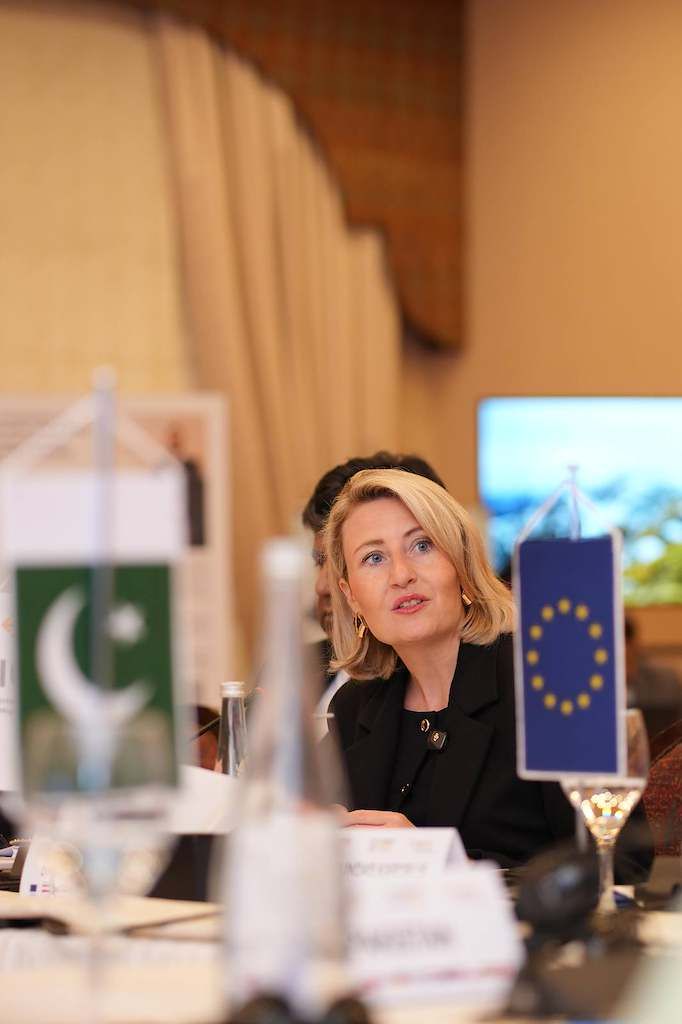
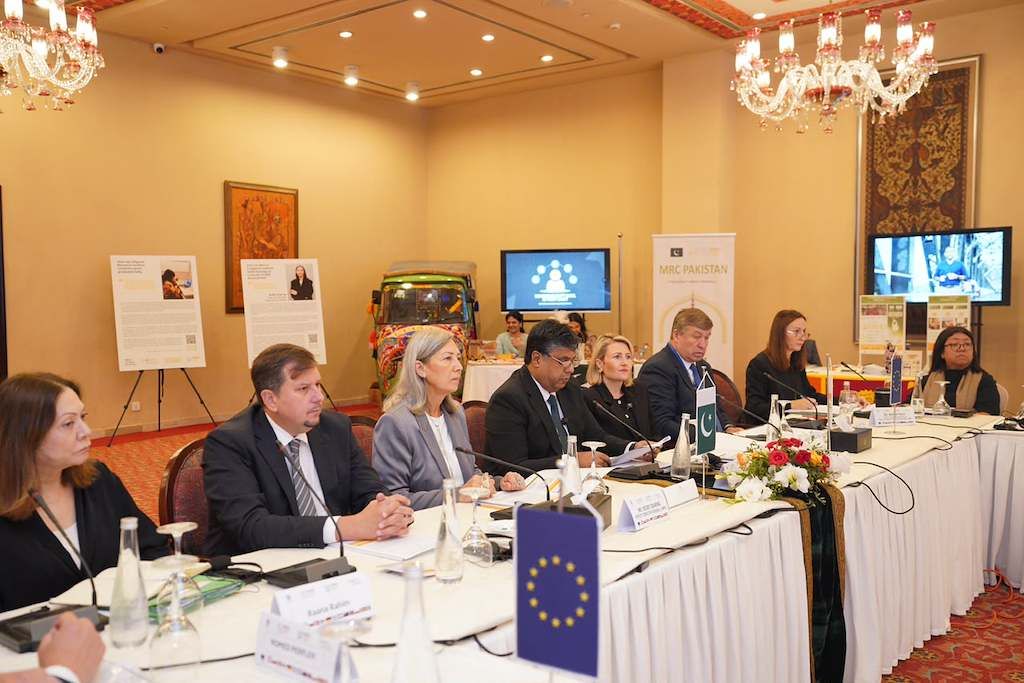
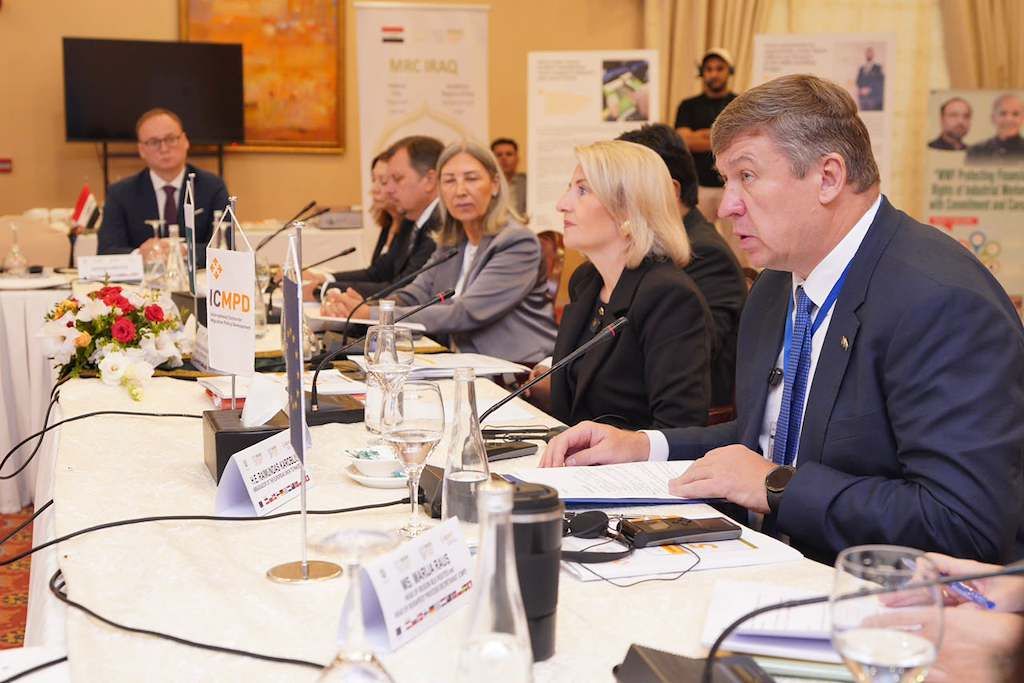


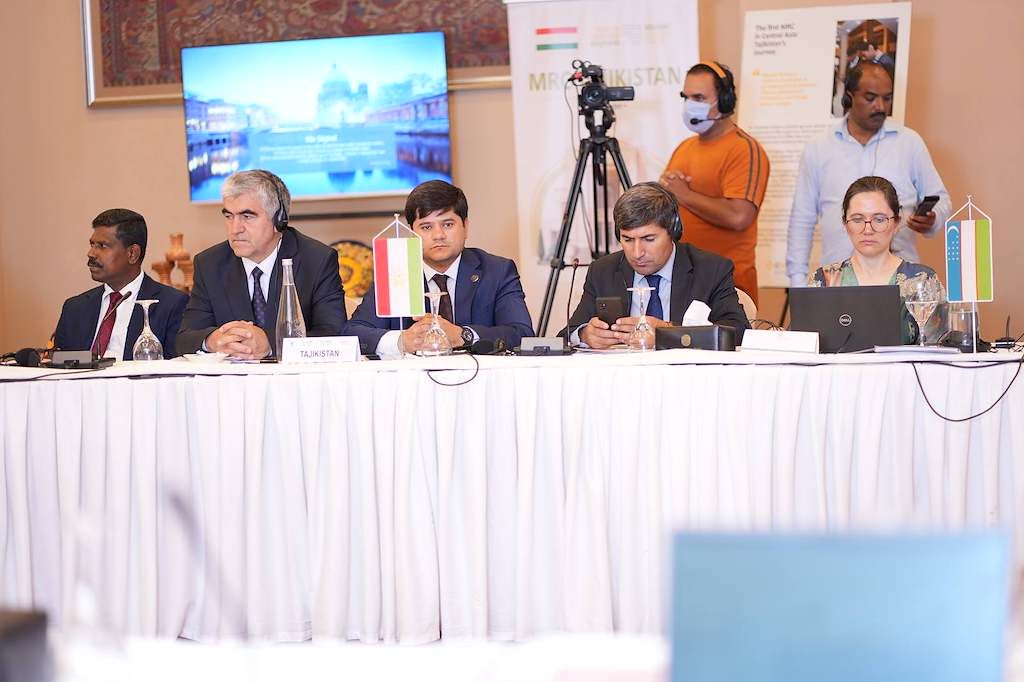

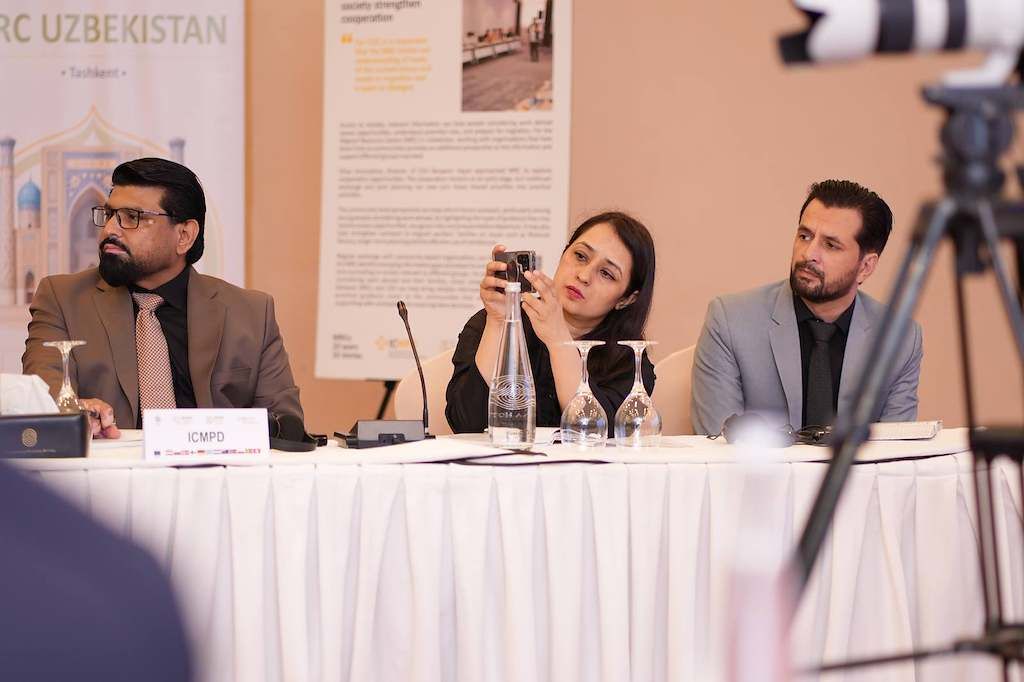

Fifth Regional Exchange Meeting of Migrant Resource Centres
Read more stories from ICMPD's Migrant Resource Centres here and listen to the latest episode of the Migration Podcast by ICMPD: ICMPD’s Migrant Resource Centres: a decade of service and expanding reach across regions.