At this year’s Ukraine Recovery Conference in Poland, Director General Susanne Raab reaffirmed ICMPD’s commitment and long-standing cooperation with Ukrainian stakeholders, ICMPD Member States, and European Union Member States and institutions. The three-day gathering in Gdansk on 24-26 June 2026 hosted heads of state, ministers and heads of agencies, and civil society in high-level meetings, workshops and exhibitions, and panel discussions on the most pressing aspects of Ukraine’s recovery from Russia’s full-scale invasion.
Discussions included comprehensive reintegration strategies for the externally and internally displaced population and restoring social cohesion, rebuilding local and regional governance systems, the needed reforms for EU accession, resilience of the country’s security and defence capacities to ensure the safety of Ukrainians, and the revitalisation of Ukraine’s economy and its human capital.
We should reflect on and discuss different mobility schemes; including permanent and sustainable return, temporary return, and circular mobility schemes. Related approaches should consider long-term recovery plans; but the capacities, aspirations, and needs of the Ukrainian people themselves should be included. Only a human-centred and differentiated approach is likely to deliver the best outcomes, also on return and recovery.Ms Raab said at the panel From Return to Participation: Co-Creating Ukraine’s Recovery.
The panel focussed on how Ukraine’s recovery hinges on the ability of displaced people, returnees, young people, women, internally displaced persons, veterans, older workers and Ukrainians abroad to remain connected to the country and participate in economic, civic and community life.
Ms Raab also presented ICMPD’s ongoing work since 2022 in supporting displaced Ukrainians in the EU, particularly the Ukrainian Consultation and Community Centre (UCCC) in Gdansk, as well as the Ukrainian Call Centre in Warsaw. The work in these Centres have since evolved along with how the needs of Ukrainians abroad became more complex over time, alongside with progressing from emergency response measures to long-term return, recovery and reconstruction perspectives.
Diaspora communities an integral part of Ukraine recovery
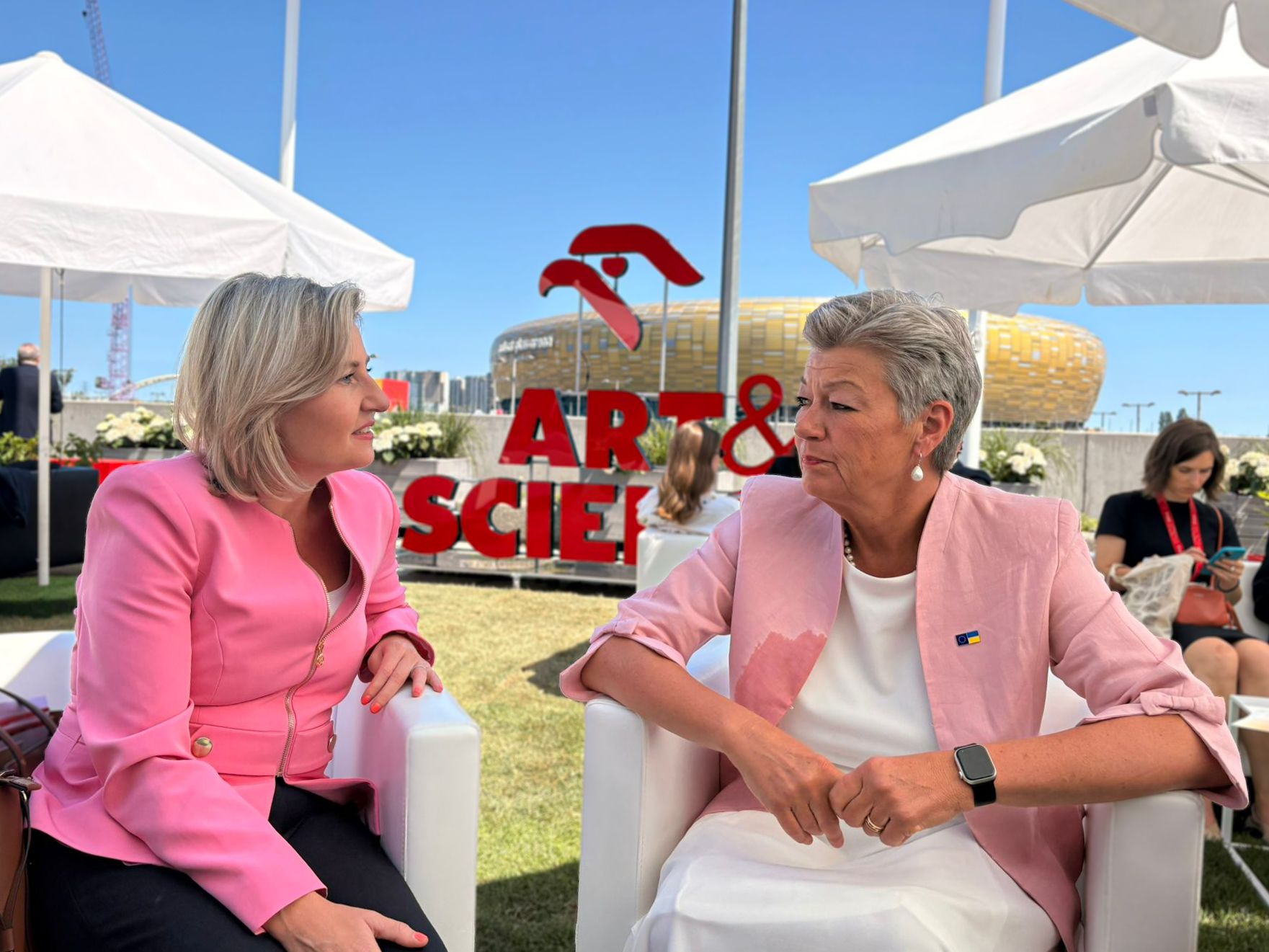
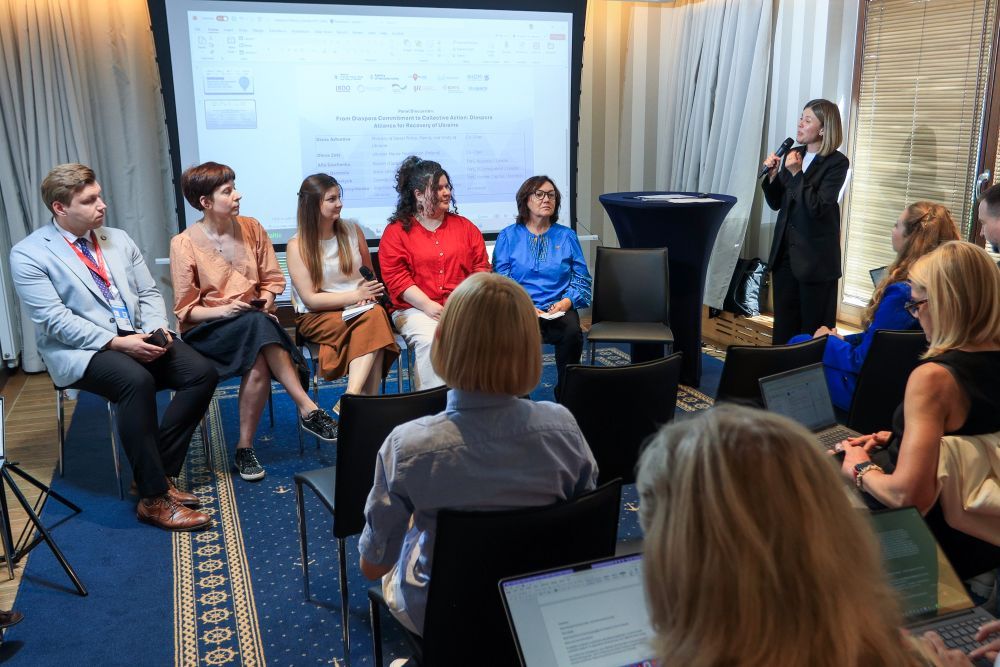
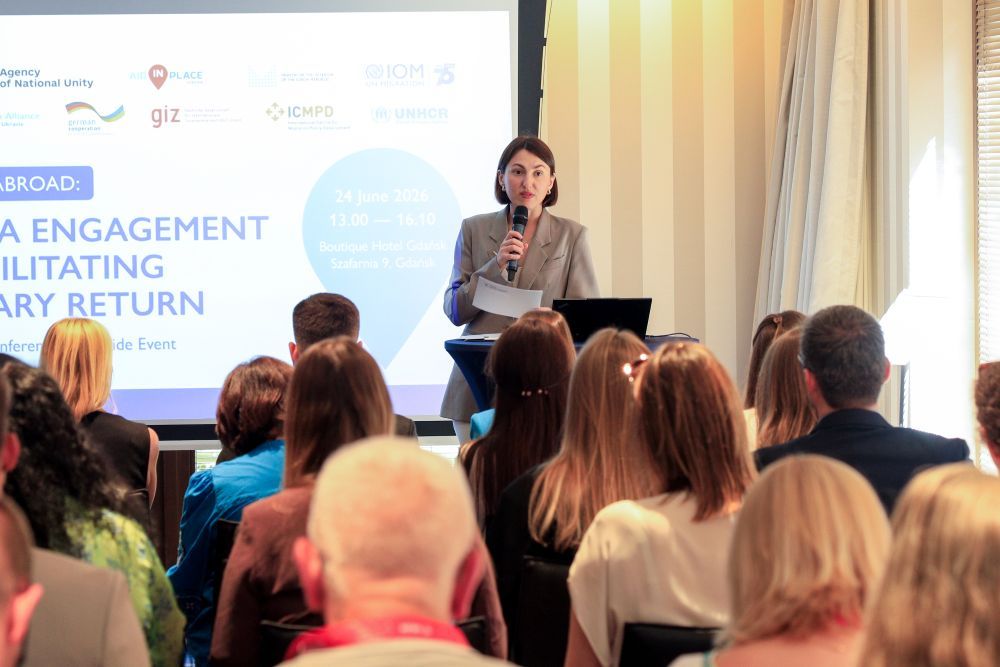
At a side event on Ukrainian Diaspora Engagement and Facilitating Voluntary Returns, EU Special Envoy for Ukrainians Ylva Johansson joined Ukraine’s Deputy Minister of Social Policy, Family and Unity of Ukraine Ilona Havronska. They also engaged with officials and representatives of the GIZ, UNHCR, IOM, Ukraine House Foundation World Federation of Ukrainian Women’s Organizations (Canada); and especially diaspora organisations from across different continents. These included the World Federation of Ukrainian Women’s Organizations (Canada), Ukraine House Foundation (Poland), Razom (Slovenia), BDO in Ukraine, and Nova Ukraine (United States).
Integration in host countries and engagement with Ukraine are not contradictory. Ukrainians can build successful lives in Europe while remaining connected to Ukraine’s recovery and development. [The] Unity Hubs play an important role in maintaining these connections and enabling long-term engagement regardless of return intentions.Ms Johansson said.
Regional Portfolio Manager for Eastern Europe and Central Asia Violeta Wagner presented ICMPD’s work on Ukraine’s Migration Strategy beyond 2025. Ms Wagner highlighted that diaspora engagement, return, and reintegration cannot be treated as separate policy areas; and highlighted four key priorities that have emerged during the consultations on [migration policy]:
- moving beyond passive maintenance of ties and actively empowering Ukrainians abroad;
- recognising diaspora organisations as core actors in policy implementation;
- preserving Ukrainian identity, language, and culture abroad; and
- addressing return and reintegration through cross-sectoral policies covering employment, education, social services, and community development.
This panel presented the Diaspora Alliance for Recovery of Ukraine as a coordination platform that aligns diaspora-led recovery efforts with Ukraine’s national recovery priorities and EU integration pathway; and highlighted practical ways diaspora organisations contribute through expertise, partnerships, investment, advocacy, community recovery and sustained engagement with Ukrainians abroad.
Overall, the labour market integration of Ukrainian beneficiaries is ‘ahead of the curve’ compared to previous refugee cohorts. And despite all constraints, Ukrainian beneficiaries of Temporary Protection do make a significant contribution to host economies.Ms Raab added.
Apart from the UCC and Call Centre in Gdansk and Poland, ICMPD also manages Centres in Berlin, Munich, and Düsseldorf in Germany; the Ukrainian Consultation and Community Centre (UCCC) in Prague in the Czech Republic; and the newly opened Unity Hub in Stockholm, Sweden, as well as actively engages with national and local authorities in Ukraine supporting country’s recovery and preserving its human capital.


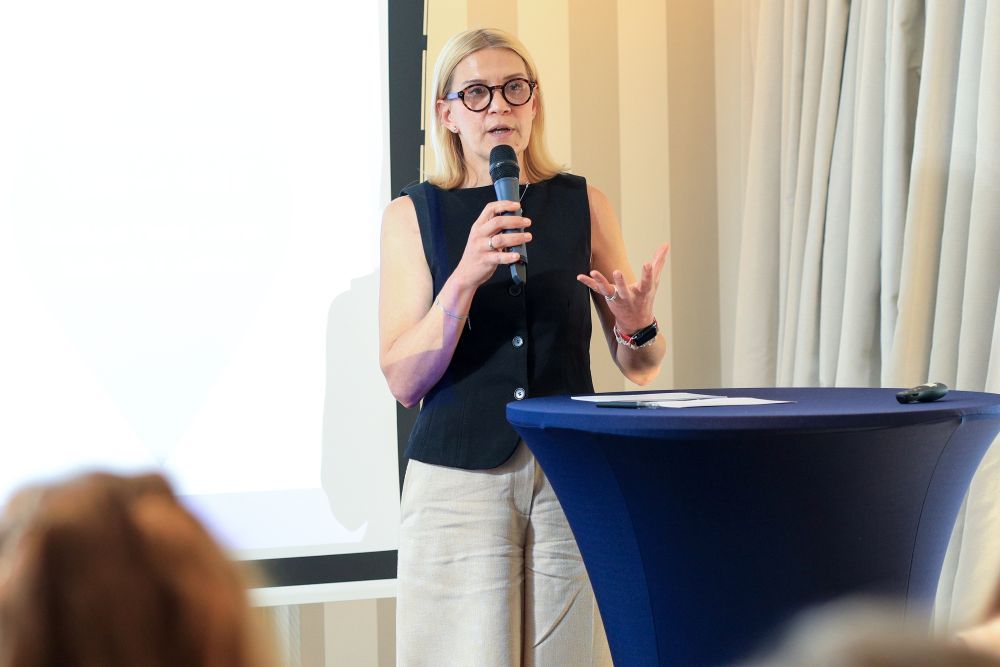

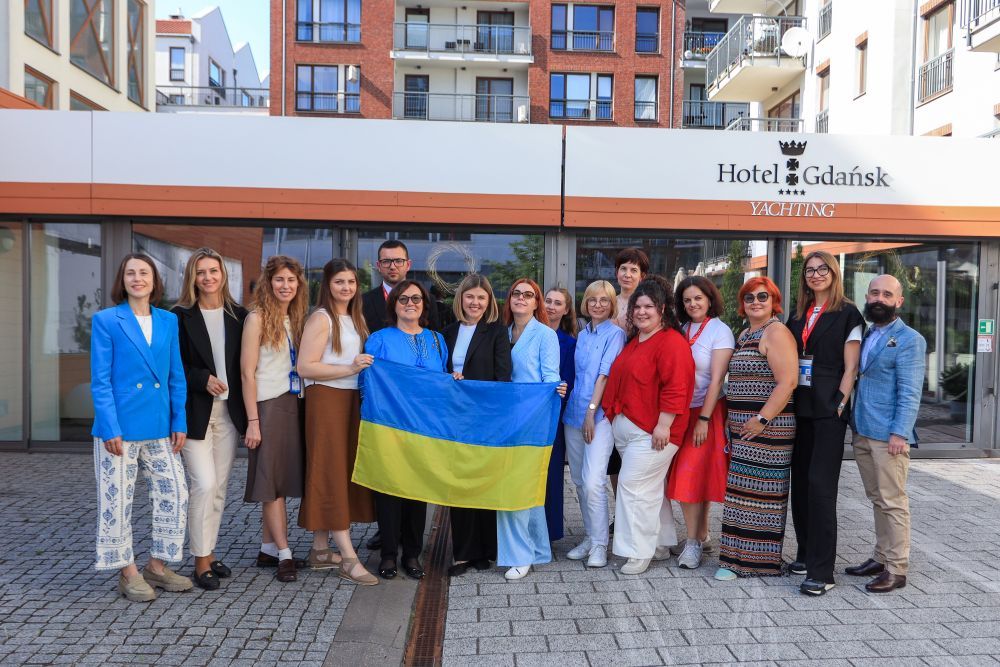
Director General Susanne Raab in session From Return to Participation: Co-Creating Ukraine's Recovery