
ICMPD gathered over 150 officials from 54 countries and organisations to develop integrated responses to counter human trafficking and migrant smuggling. At the Joint Thematic Meeting of the Rabat Process and Khartoum Process – two of the migration dialogues in which ICMPD serves as Secretariat – delegates exchanged perspectives and experiences in countering the evolving criminal business models and strengthening accountability mechanisms.
The event on 21-22 October 2026 in Brussels was hosted by Belgium, co-chaired by The Netherlands and Uganda; and was a follow-up to the Joint Thematic Meeting in Lagos, Nigeria in November 2025. Built on the insights and Outcomes from Lagos, last week’s meeting sought to foster stronger partnerships, more effective whole-of-route cooperation, and practical responses that keep pace with evolving criminal networks. The event encouraged participants to continue responding to the rapidly-adapting criminal networks that exploit new technologies, vulnerabilities and increasingly complex links between migrant smuggling, human trafficking, and other forms of organised crime.
“This is the third time our two dialogues have met in a Joint Thematic Meeting. This continuity shows that the Khartoum and Rabat Processes increasingly see themselves as partners, not parallel tracks. Political commitment must be matched by results. The protection of victims and the pursuit of justice must go hand in hand. The dignity of every person on the move must remain at the centre of what we do,” said Ambassador Dora Kutesa, from the Embassy of Uganda to Austria.
“Criminal networks exploit and control people, use complex financial and digital systems to recruit and move their illicit profits across borders. At the same time, they're adapting rapidly, often faster than our bureaucratic responses. Therefore, our responses must be equally adaptive, coordinated and comprehensive. We need to strengthen international cooperation, improve our understanding of the links between this form of crime and protect the rights and safety of people on the move,” said Ambassador Peter Schuurman, Special Envoy for Migration at the Dutch Ministry of Foreign Affairs.
By bringing together countries along interconnected African and European migration routes, the meeting reinforced the importance of a whole-of-route approach, leveraging the complementary geographic reach of the Khartoum and Rabat Processes to strengthen coordinated responses across countries of origin, transit and destination.
The first day of the event focused on the importance of whole-of-route approaches to address emerging vulnerabilities and strengthen coordinated prevention, protection, investigation and prosecution efforts. Participants also discussed strengthening victim identification and cross-border referral mechanisms, drawing on survivor, community and diaspora knowledge to improve early detection and protection. Discussions also explored ways to build trust and promote victim-centred justice, enabling the safe participation of victims and survivors in criminal proceedings.
On the second day, participants explored practical avenues to translate shared priorities into concrete action. Discussions on intelligence, technology and operational responses brought together perspectives from the African Union, Kenya, and ICMPD on innovative approaches to detect and disrupt criminal networks.
Experts from Germany, Senegal and IGAD further explored practical approaches to strengthen cross-border criminal investigations, including joint investigative mechanisms, financial investigations and “follow-the-money” strategies to dismantle organised criminal networks.
“For twenty years the Rabat Process has helped bring Africa and Europe closer together on migration issues. This dialogue is invaluable. In a world that is changing so rapidly, our cooperation must evolve as well. What we need now is to make them work better. More direct contact between investigators and prosecutors. Faster exchanges of information. Better protection for victims across borders. And concrete results against the criminal organisations,” said Hugo Verbist, Special Envoy for Migration at the Belgian Federal Public Service of Foreign Affairs, Foreign Trade and Development Cooperation.
Migrant smuggling and trafficking in persons remain among the most complex and rapidly evolving forms of transnational organised crime along African and European migration routes. While legally distinct, the two crimes increasingly intersect, exposing individuals in situations of vulnerability to a continuum of abuse that can ultimately lead to various forms of exploitation. Criminal organisations meanwhile, are constantly adapting their business models to the geopolitical, economic, and technological developments; exploiting vulnerabilities, and operating across multiple jurisdictions.
The two crimes also often converge with cybercrime, scam operations, document fraud, financial crime, money laundering, drug trafficking, forced criminality, and terrorism financing. Digital technologies, encrypted communications, online recruitment platforms have increasingly expanded the reach and adaptability of criminal networks, while making their detection, investigation and prosecution more complex.
“International partnerships are indispensable. The Rabat and Khartoum processes have long demonstrated the value of regional dialogue built on trust, shared ownership, and practical cooperation. They bring together countries from Europe and Africa to discuss complex realities in the spirit of partnership. If we are serious about addressing migrant smuggling and trafficking in human beings, our response must be equally integrated, agile, and international,” said Johannes Luchner, Deputy Director General for Migration and Home Affairs at the European Commission.
Mr Luchner further noted: “A particularly important development is the launch and advancement of the Global Alliance to Counter Migrant Smuggling. This initiative reflects a simple but powerful recognition. No country can dismantle these networks alone. The Global Alliance brings together countries of origin, transit, and destination, alongside international organisations and operational actors to prevent migrant smuggling, respond to it, and promote alternatives to irregular migration, including by addressing the root causes and facilitating legal pathways.”
Participants were also introduced to the Global Alliance Rapid Response Initiatives (GARRI), part of the Global Alliance to Counter Migrant Smuggling and implemented by ICMPD. Designed to respond rapidly to emerging migration developments and evolving smuggling trends, the project delivers targeted, context-specific communication campaigns to counter migration-related misinformation and disinformation.
Discussions also addressed prosecution and judicial cooperation, with contributions from Mali, Belgium and Eurojust on strengthening legal frameworks, cross-border evidence-sharing and prosecutorial cooperation to ensure accountability and prevent reoffending. Representatives of the Netherlands and Ethiopia shared closing perspectives on turning recommendations into action, identifying opportunities for coordinated programming and sustained cooperation between African and European partners.
As both Processes continue to deepen collaboration, the meeting reaffirmed the value of dialogue, trust and joint action in addressing increasingly complex transnational criminal networks.

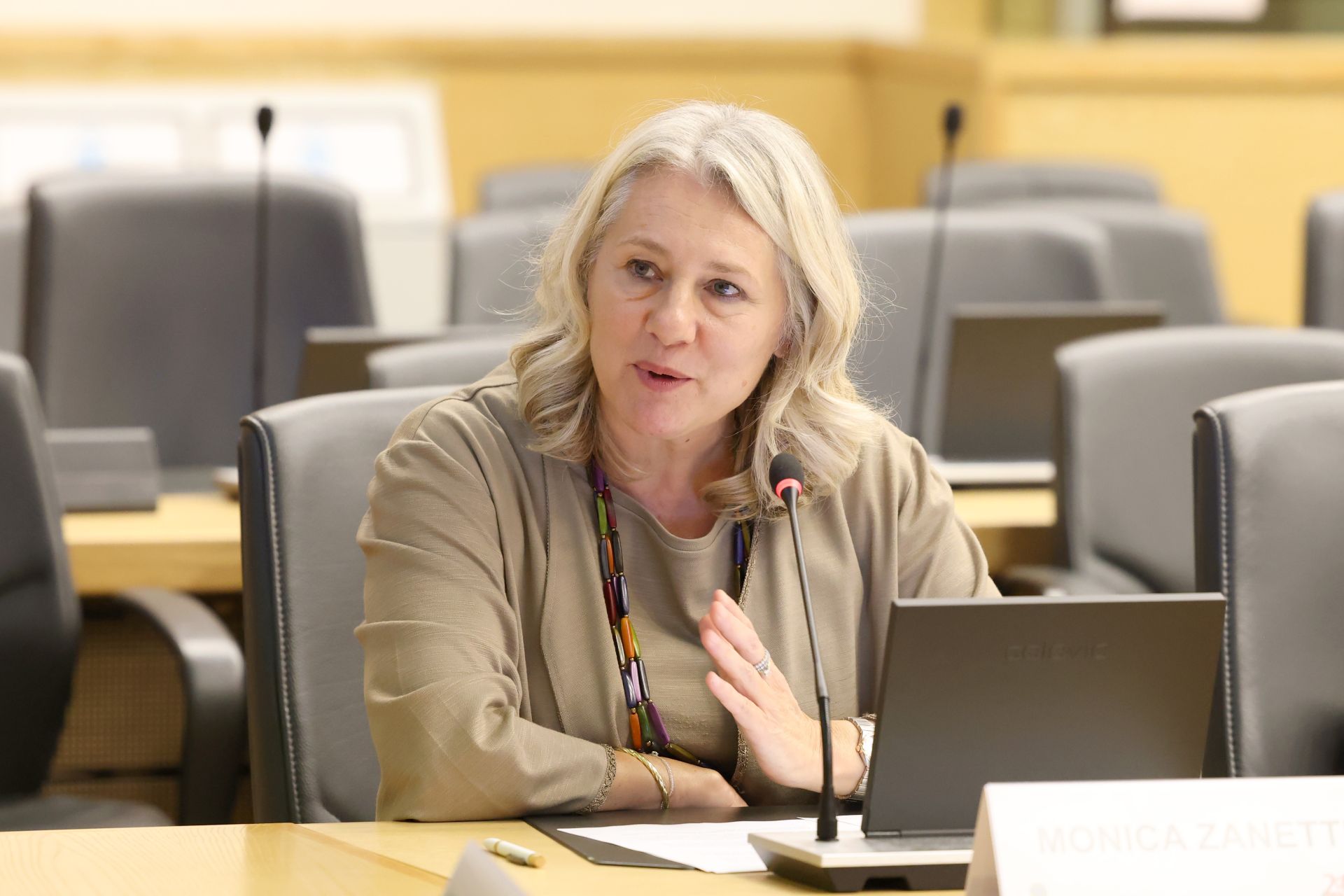
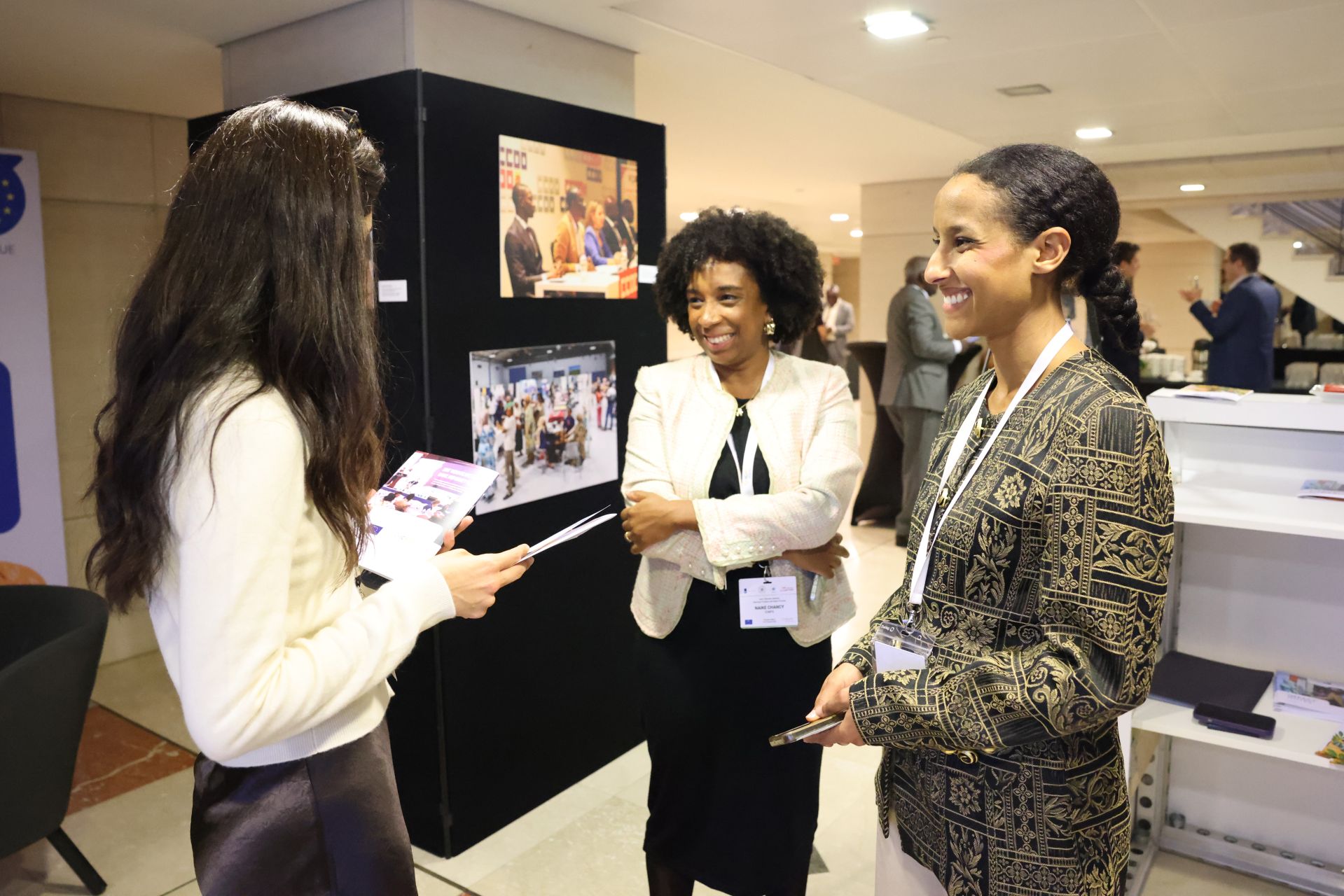

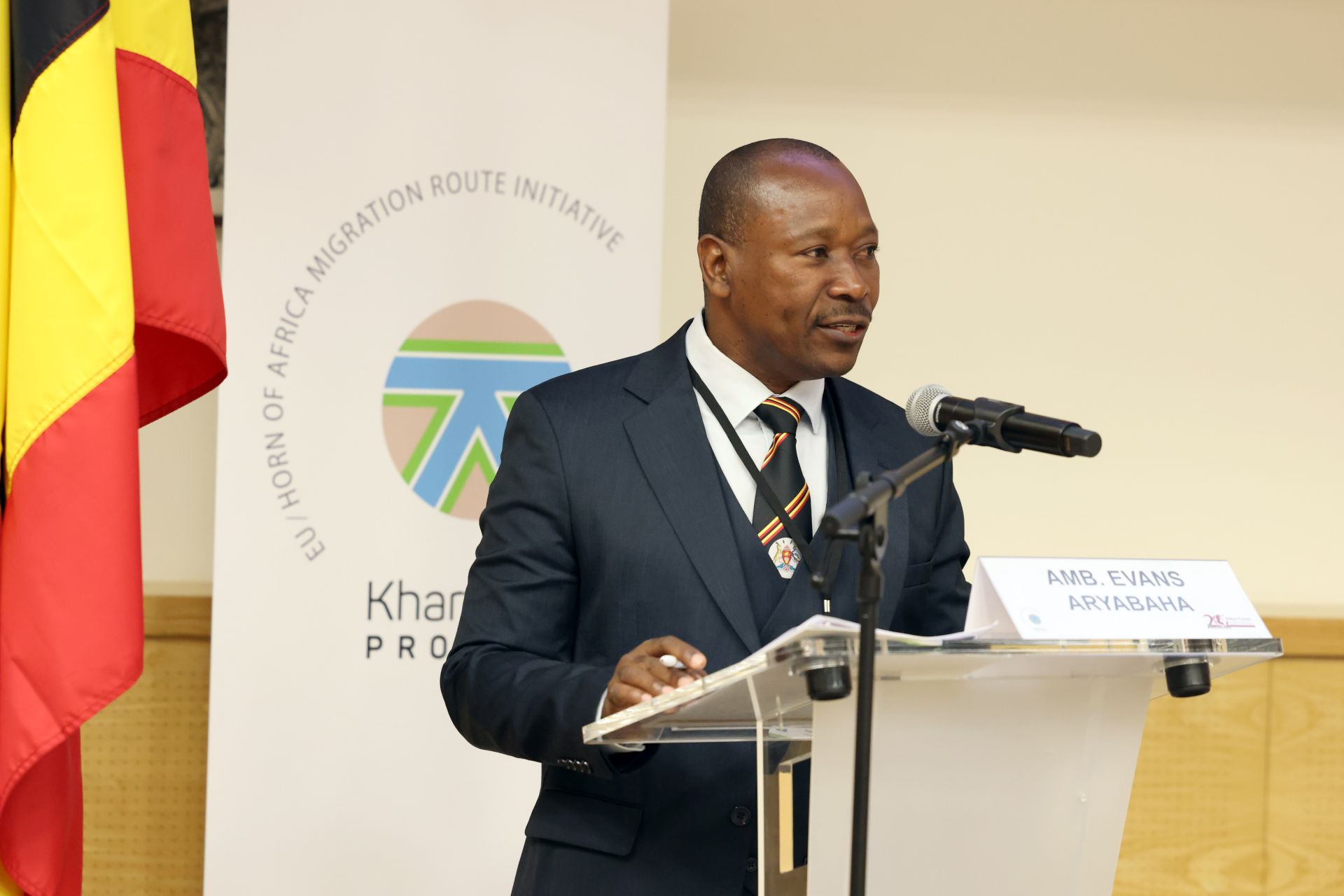


Participants from the Khartoum and Rabat Processes attending the Joint Thematic Meeting in Brussels, Belgium.