Switzerland takes on the 2026 Chairmanship of the Rabat Process, with a commitment to fostering constructive dialogue among countries of origin, transit, and destination, while actively engaging civil society, non-governmental and international organisations, the private sector, and youth. The handover of the Chairmanship from Nigeria took place at the Senior Officials Meeting in Abuja on 28-29 January 2026.
Switzerland will be the first European non-EU state to hold the Chairmanship and in time for the 20th anniversary of the Rabat Process. Building on the momentum from recent thematic initiatives, Switzerland will continue efforts to prevent irregular migration and combat trafficking in human beings and the smuggling of migrants. For its 2026 tenure, key priorities will centre on protection and asylum, with particular emphasis on unaccompanied minors and missing migrants, and return and sustainable reintegration.
Twenty years of dialogue means twenty years of building trust between countries of origin, transit and destination; of sharing experiences, aligning policies, crafting durable partnerships; and of recognising that migration is not merely a challenge to be managed but it also creates opportunities. It is first and foremost a human phenomenon that demands cooperative, comprehensive, whole-of-route, and most of all human-centred responses. It is only together that we can be successful.said HE Mr Patrick Egloff, Ambassador of Switzerland to Nigeria
The Senior Officials Meeting in Abuja gathered over 100 delegates from 39 Rabat Process partners including senior government officials, the European Commission, ECOWAS, and international organisations such as UNHCR, IOM, ICRC, UNODC. A mid-cycle review of the Cadiz Action Plan implementation was presented to senior officials, followed by key highlights of the Abuja Knowledge Paper shared by reintegration expert and lead author Cédric Dekeyser. This was complemented by a panel discussion among experts from Nigeria, Côte d’Ivoire, and the European Commission, moderated by Nazanine Nozarian, ICMPD Senior Thematic Specialist on Return, Readmission and Reintegration.
The Rabat Process is a key migration dialogue bridging the migration routes of Central, West, and North Africa with Europe. Switzerland’s partnership-based approach in its Chairmanship will be guided by continuity, inclusiveness, and a strong focus on delivering concrete, results-oriented outcomes for all partners. It will generate added value for both European and African partners by consolidating progress and introducing innovative responses to emerging migration challenges.
Following Nigeria’s 2025 success
The handover to Switzerland culminated and celebrated Nigeria’s chairmanship for 2025, bringing renewed attention to thematic areas under the Cadiz Action Plan including the first-ever webinar on migration data for evidence-based policymaking.
Nigeria was the third country to hold the Chairmanship since the adoption of the Dialogue’s current multi-annual strategic framework, the Cadiz Action Plan (2023-2027). Its Chairmanship also enhanced inter-regional that included youth representatives at a Thematic Meeting on education, mobility and innovation; multi-Dialogue action to strengthen prevention, protection, and prosecution responses to migrant smuggling and trafficking in human beings; gathering the National Focal Points of the Network for missing migrants, and National statistical offices contributing to migration data discussions.
Nigeria also facilitated focal points from the Rabat Process and Khartoum Process to share key data through the JVAP Database, strengthening evidence‑based migration policymaking through improved data exchange. And in 2025, MMD Grant Facility-supported initiatives have demonstrated the vital role of civil society organisations in advancing protection and asylum, the development benefits of migration and preventing irregular migration, while strengthening Euro-African migration dialogues.
Our Chairmanship was guided by a clear intention: to help reposition the narrative on migration by grounding it in evidence, shared responsibility, and the lived realities of countries of origin, transit, and destination. Nigeria remains fully committed to supporting the incoming Chair and to continuing to work with all partners to ensure that the Rabat Process remains a credible, responsive and action-oriented platform for dialogue between Africa and Europe.said Dr Tijjani Aliyu Ahmed, Honourable Federal Commissioner for Refugees, Migrants, and Internally Displaced Persons; representing Dr Bernard M. Doro, Honourable Minister for Humanitarian Affairs and Poverty Reduction
Rabat Process Senior Officials Meeting
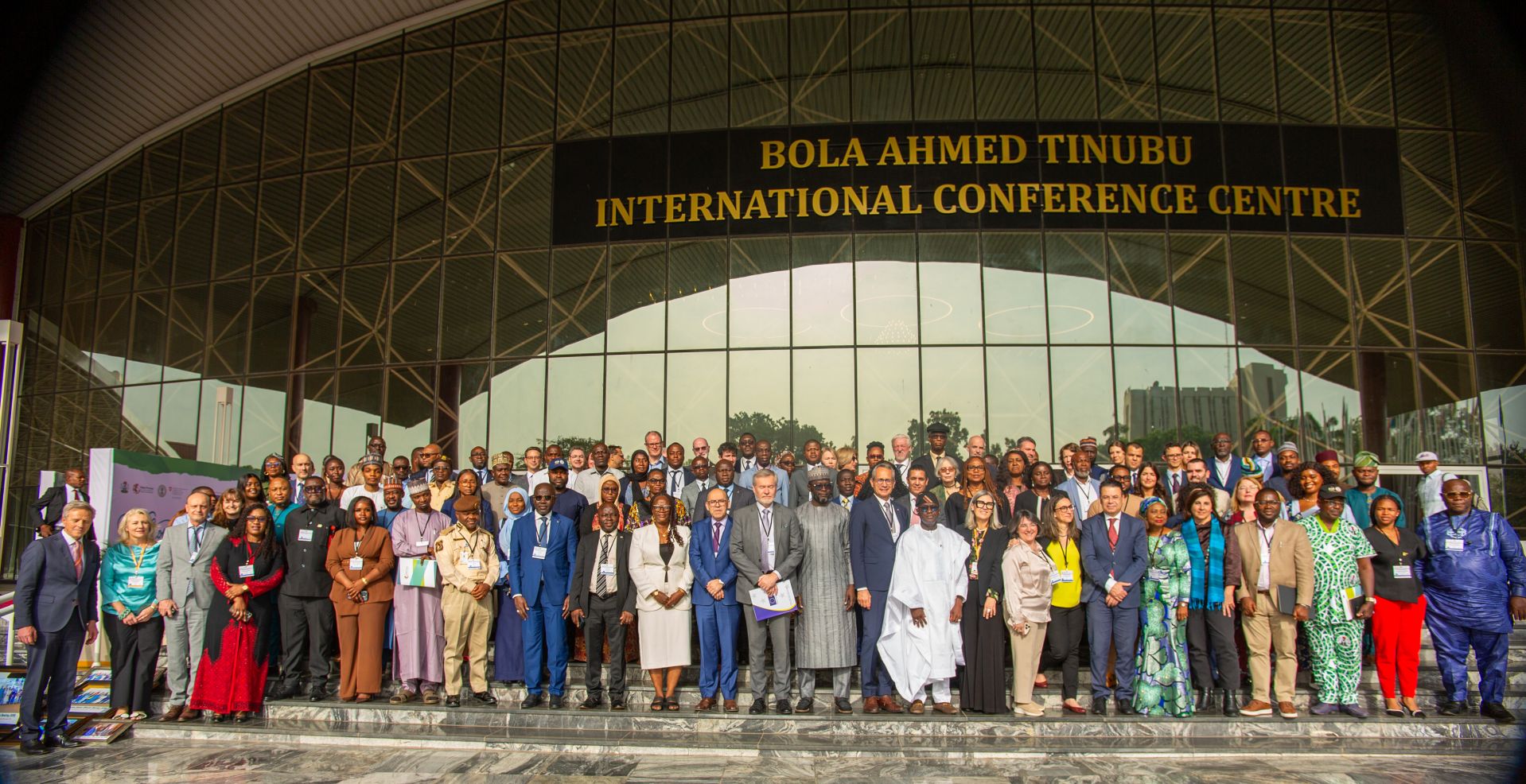
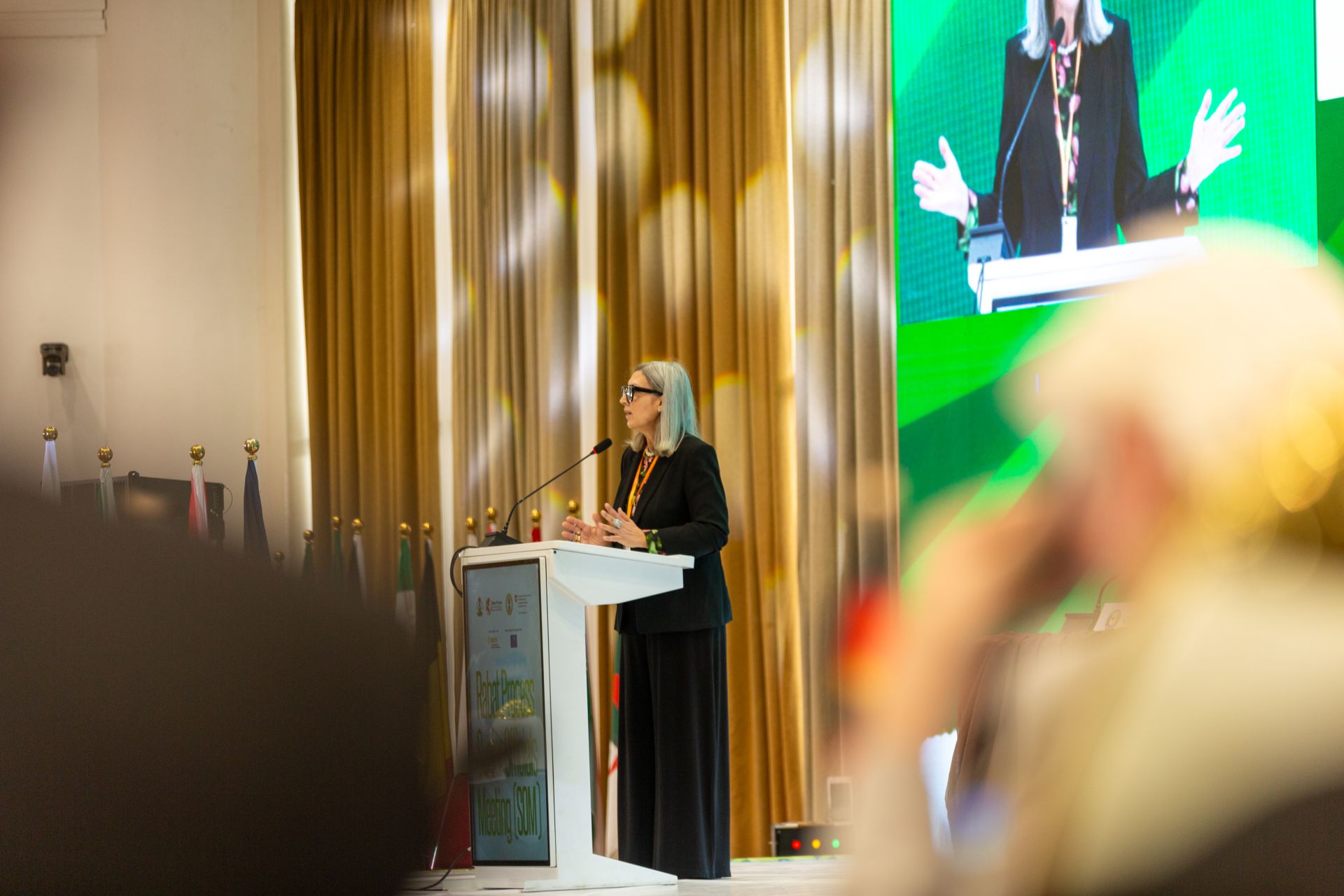
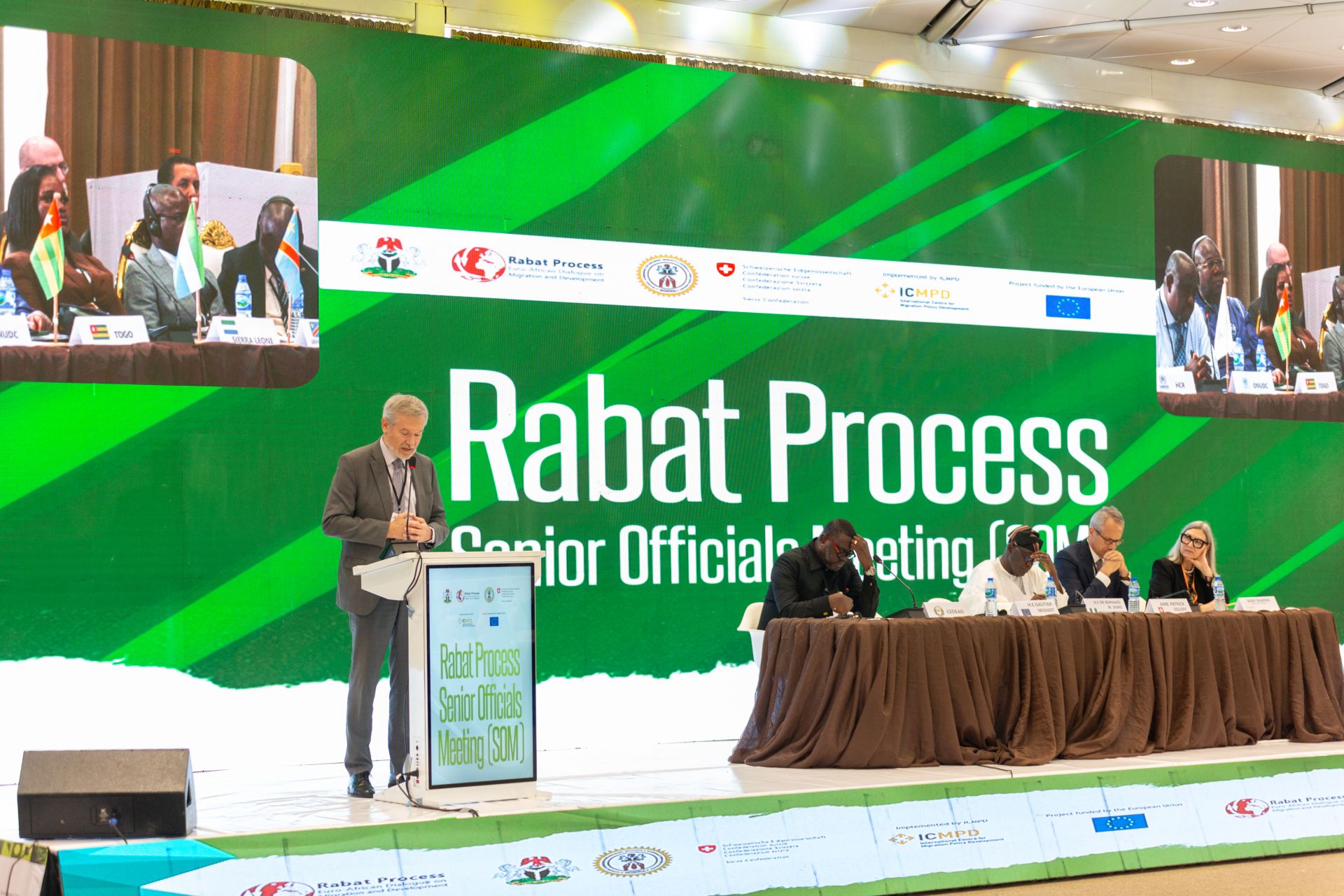
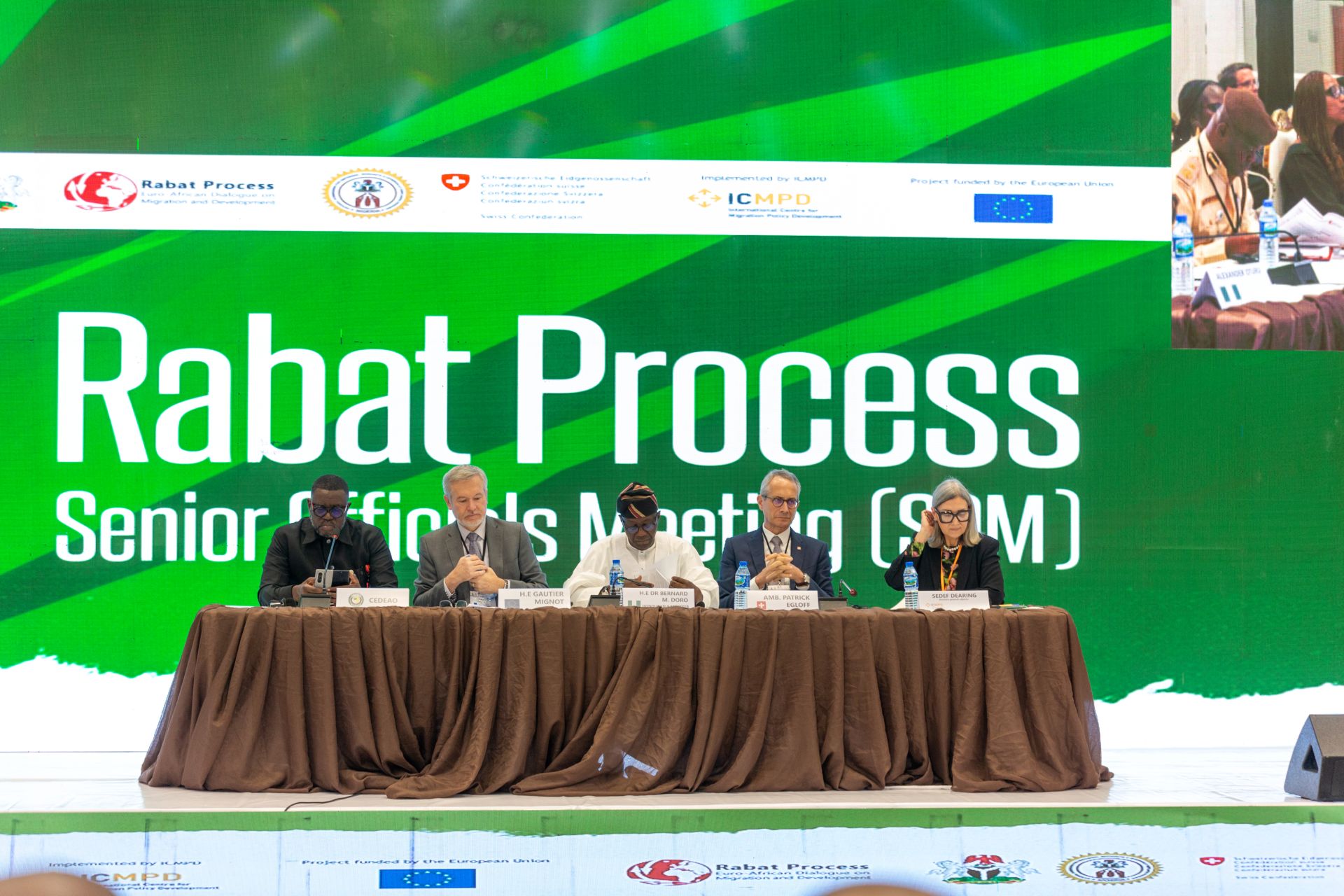
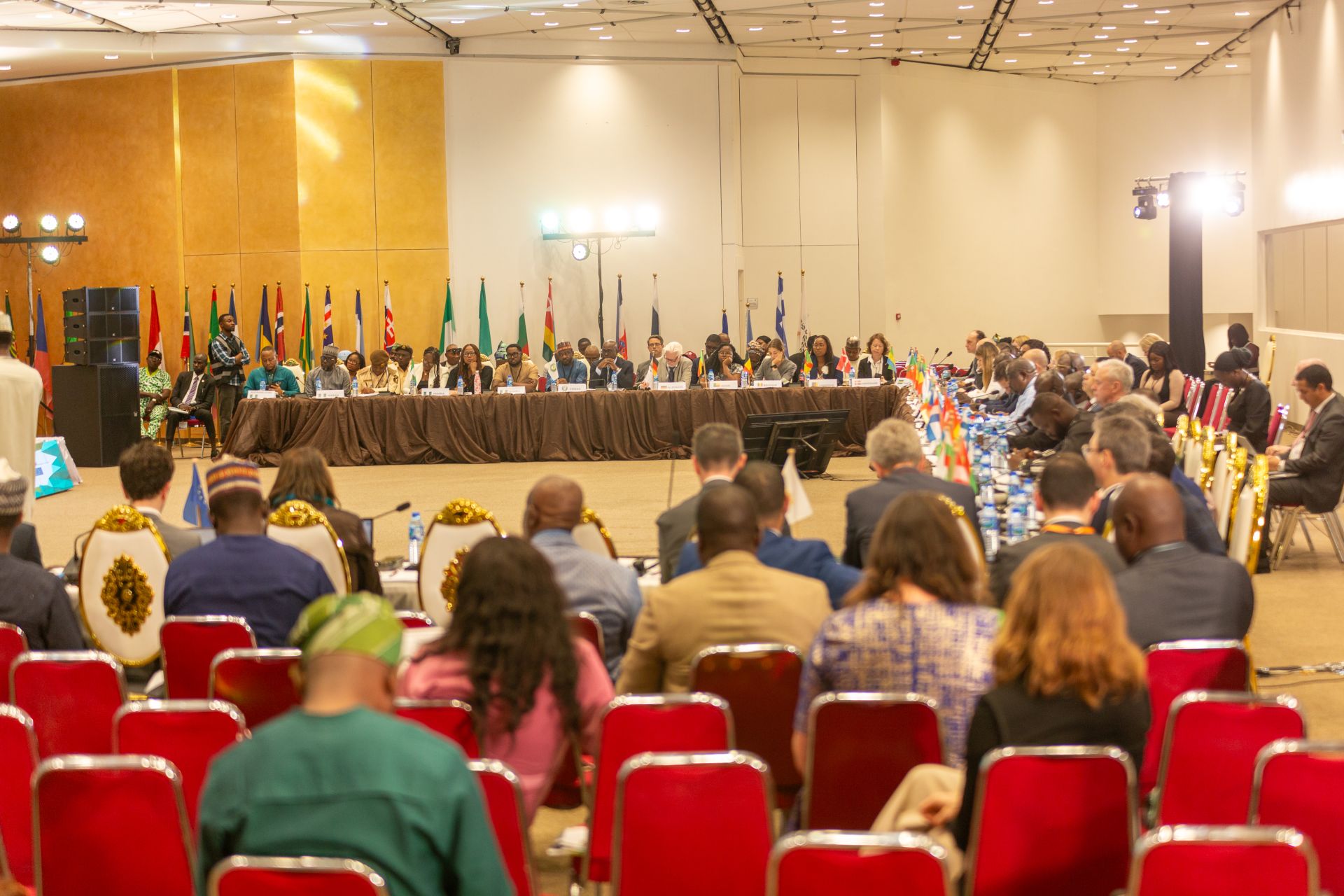

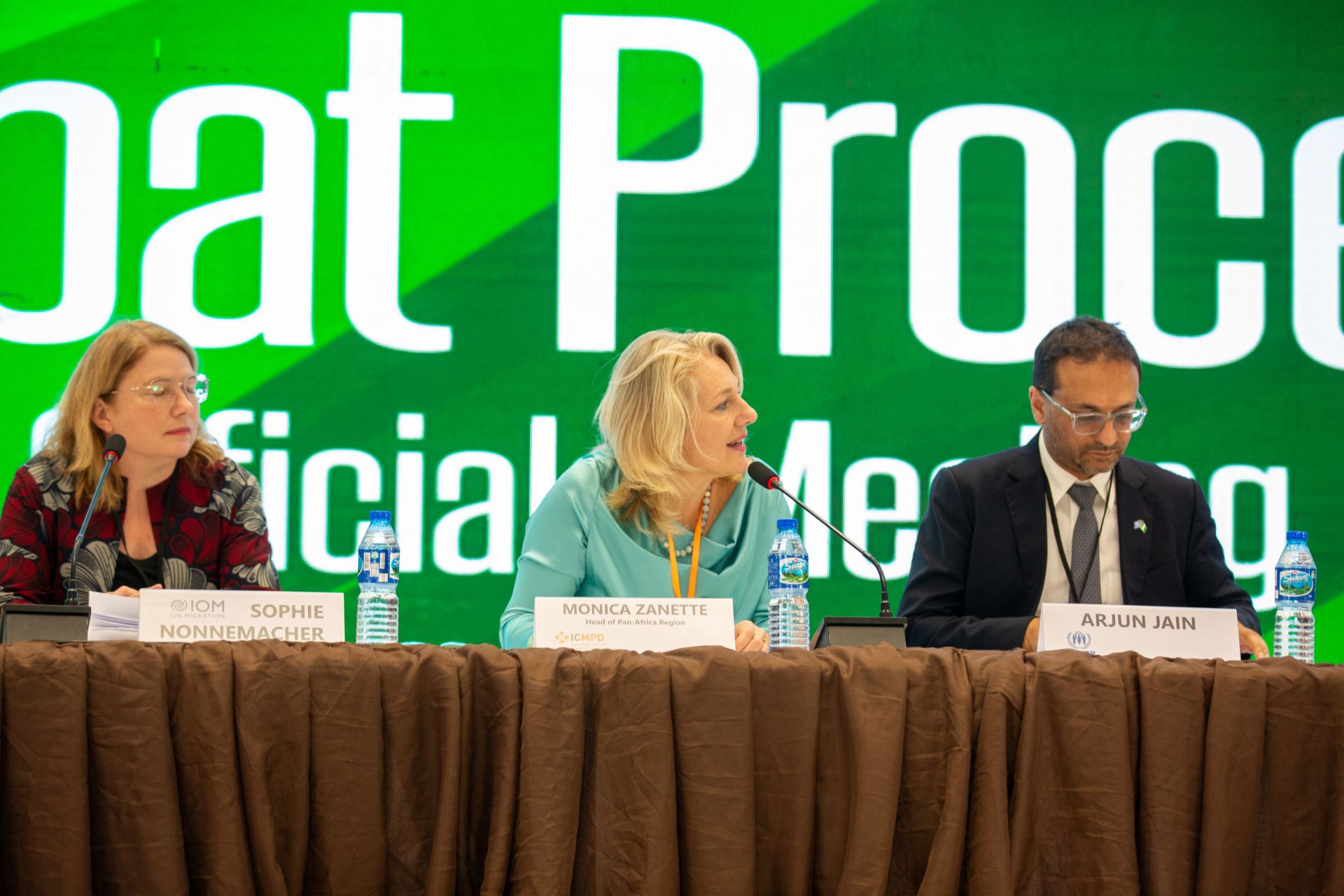


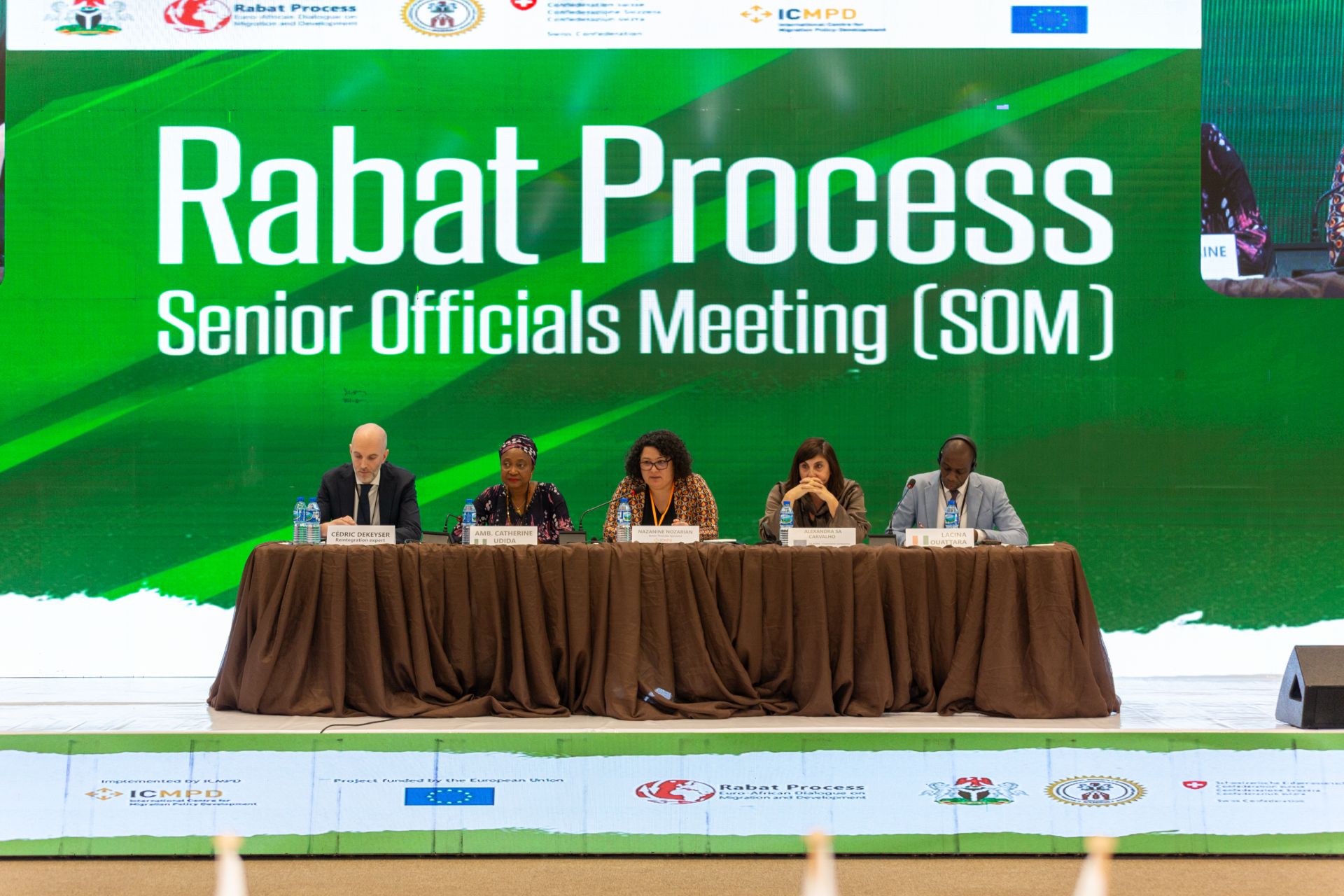


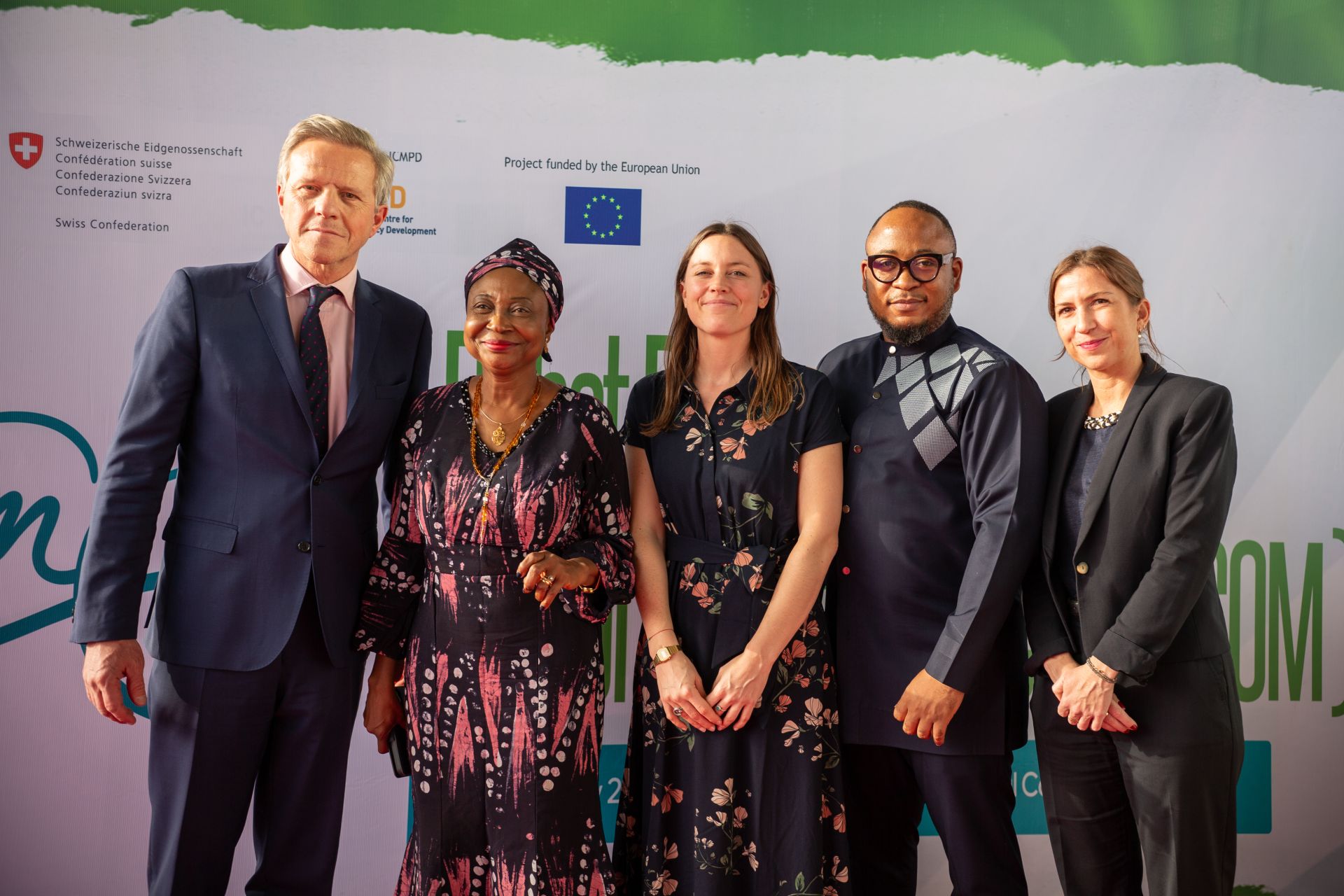
Over 100 delegates from 39 Rabat Process partners attended the Senior Officials Meeting in Abuja, Nigeria.